


Immigration
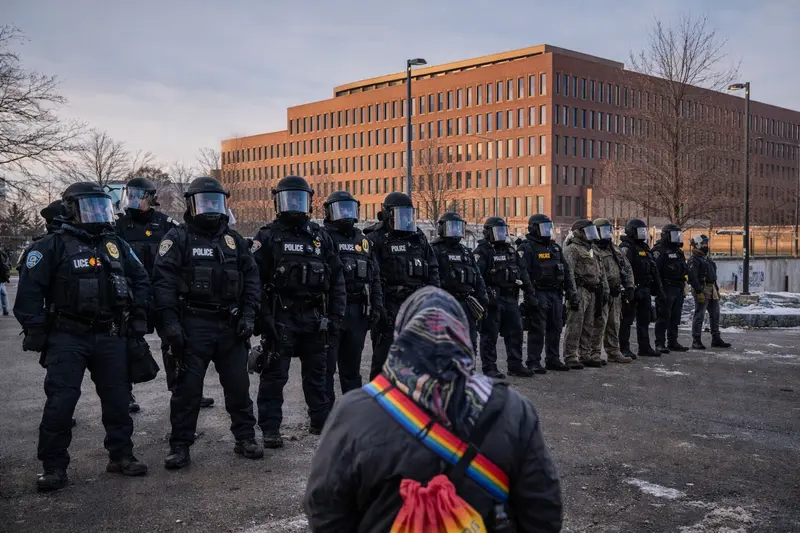
ICE Agreements With Local Police Surge 950% in Trump’s Second Term
ICE Agreements With Local Police Surge 950% in Trump’s Second Term
Agreements between Immigration and Customs Enforcement (ICE) and local law enforcement agencies have skyrocketed during the first year of President Donald Trump’s second term, marking a dramatic shift in immigration enforcement strategy across the United States.
According to a new analysis of ICE data, the number of local agencies participating in federal immigration enforcement programs has increased by 950% compared to the previous administration.
A Rapid Expansion of ICE Partnerships
As of late January 2026, 1,168 law enforcement agencies have officers trained and authorized to assist ICE in making federal immigration arrests. This represents a sharp rise from just 135 agencies during the Biden administration and 150 at the end of Trump’s first term.
The expansion reflects the administration’s renewed push for local cooperation in deportation operations. Under the revived “task force” model, local police officers can be deputized by ICE to question, detain, and arrest individuals suspected of being in the country unlawfully.
The Return of a Controversial Model
The task force model was previously discontinued in 2012 after concerns about racial profiling and civil rights violations. However, the Trump administration reinstated the program in early 2025, offering financial incentives to encourage participation.
Participating agencies are reportedly eligible for:
-
$7,500 per trained officer for equipment
-
Up to $100,000 for new vehicles
-
Overtime pay covering up to 25% of an officer’s salary
Officials argue the program strengthens national security and helps remove individuals who violate immigration laws. ICE maintains that partnerships with state and local agencies are critical to fulfilling its mission.
Resistance in Some Communities
Despite the rapid expansion, not all jurisdictions have embraced the program. Some police departments have declined to participate, citing concerns about diverting officers from regular duties or eroding trust within immigrant communities.
In certain counties, law enforcement leaders have publicly stated they will not enforce civil immigration orders without judicial warrants. Meanwhile, in other states, governors have directed agencies to cooperate more closely with federal immigration authorities.
Geographic Breakdown
Currently, agencies in 39 states are participating in the program. States with the highest number of agreements include:
-
Florida – 342 agreements
-
Texas – 296 agreements
-
Tennessee – 63 agreements
-
Pennsylvania – 58 agreements
-
Alabama – 52 agreements
Analysts estimate that local agencies could receive between $1.4 billion and $2 billion in federal funding this year if participation continues at this pace.
Public Opinion and Growing Debate
While enforcement efforts are expanding, public opinion appears divided. Recent polling suggests that support for the administration’s immigration strategy has declined following high-profile enforcement incidents.
Critics argue that increased cooperation between local police and ICE may create fear in immigrant communities, potentially affecting school attendance, healthcare access, and community trust in law enforcement.
Supporters, however, contend that stronger enforcement is necessary to uphold immigration laws and protect public safety.
As the number of local partnerships continues to grow, the debate over federal and local collaboration in immigration enforcement is likely to intensify nationwide.
What's your reaction?
0

AWESOME!
0

LOVED
0

NICE
0

LOL
0

FUNNY
0

EW!
0

OMG!
0

FAIL!
Recent News




Comments
Leave a Reply