

World
Iran Threatens Regional Energy Infrastructure as Middle East Conflict Shakes Global Oil Markets
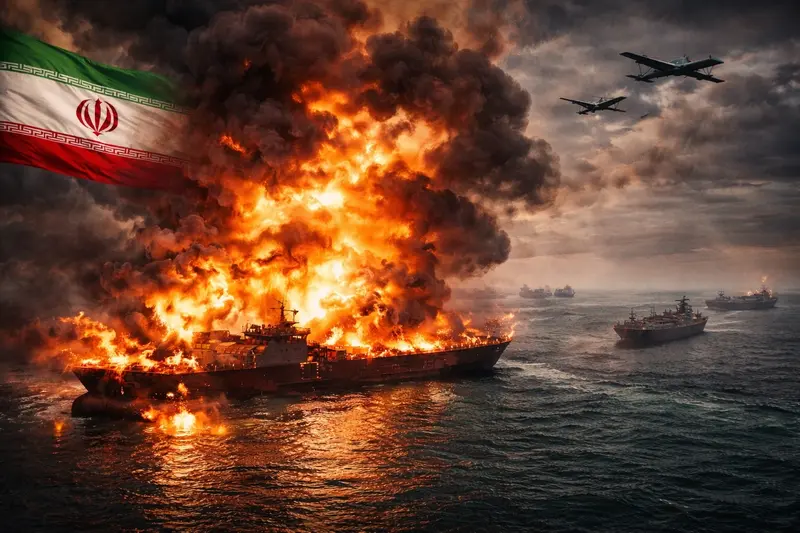
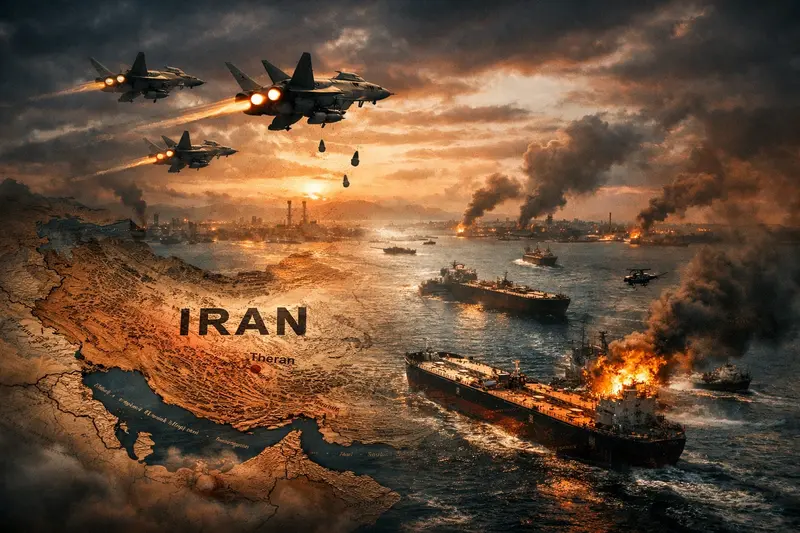
Rising tensions across the Middle East are increasing concerns about global energy security as Iran warns that attacks on its energy facilities could trigger retaliation against oil and gas infrastructure throughout the region.
Iranian state media broadcast what it described as the first public message from the country’s new Supreme Leader, Mojtaba Khamenei. In the statement, he reportedly suggested that the strategic Strait of Hormuz could remain closed as a form of pressure in the ongoing confrontation.
The Strait of Hormuz is one of the most critical maritime routes for global oil transport, with a significant portion of the world’s energy supply passing through the narrow waterway each day.
Threats to Energy Infrastructure
Iran’s Islamic Revolutionary Guard Corps (IRGC) warned that if Iranian energy facilities were targeted, the country could respond by attacking oil and gas infrastructure across the Middle East.
Such threats have intensified fears of a major disruption in global energy markets, as the region remains central to the world’s oil production.
Analysts say any prolonged closure of the Strait of Hormuz could cause significant spikes in energy prices and create ripple effects across the global economy.
Military Developments
Meanwhile, the US military confirmed that an American refueling aircraft crashed in western Iraq. Officials said the aircraft was not brought down by hostile or friendly fire but did not immediately provide details about possible casualties.
Expanding Regional Tensions
The broader conflict is also spreading beyond Iran. In Lebanon, Israeli forces carried out new strikes in the suburbs of Beirut after Israel’s defense minister ordered preparations for expanded operations against Hezbollah, the Iranian-backed armed group.
The developments highlight the growing risk of a wider regional conflict that could impact not only the Middle East but also global financial and energy markets.
For now, international observers are closely monitoring the situation as diplomatic efforts continue to prevent further escalation.
What's your reaction?
0

AWESOME!
0

LOVED
0

NICE
0

LOL
0

FUNNY
0

EW!
0

OMG!
0

FAIL!
Recent News


Comments
Leave a Reply