

World
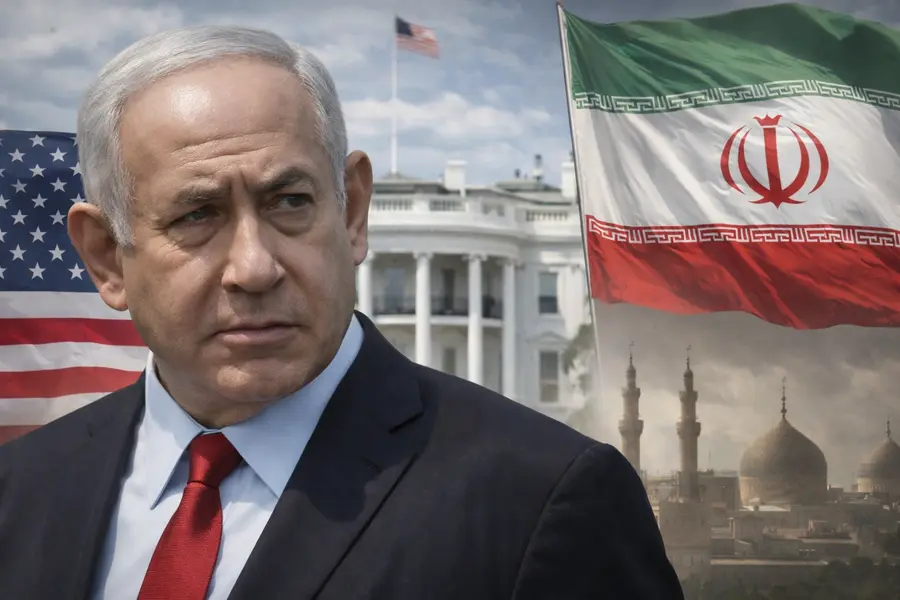
Netanyahu Seeks Clarification From White House Over Possible U.S.–Iran Contacts
Israeli Prime Minister Benjamin Netanyahu reportedly contacted the White House this week to seek clarification after Israeli intelligence suggested that officials in Donald Trump’s administration may have held communications with Iranian representatives, according to a report by Axios.
The inquiry came amid rising tensions in the Middle East and growing uncertainty over possible diplomatic efforts aimed at de-escalating the conflict.
According to sources familiar with the matter, Netanyahu directly asked senior officials in Washington whether any discussions or informal exchanges had taken place with Tehran regarding a potential ceasefire.
The Axios report, which cited two individuals briefed on the issue, said Netanyahu placed the call on Monday after intelligence assessments raised concerns within the Israeli government that diplomatic channels between the United States and Iran could be active.
One of the sources said the White House firmly denied the claims, assuring the Israeli leader that the administration had not engaged in any conversations with Iranian officials without Israel’s knowledge.
Officials reportedly emphasized that Washington was not negotiating with Tehran “behind Israel’s back,” attempting to reassure Netanyahu amid speculation about backchannel diplomacy.
Rising Suspicion Between Allies
The episode highlights the sensitivity surrounding communication with Iran, particularly at a time when military tensions in the region remain high.
Israel has historically opposed direct negotiations between Western governments and Tehran, fearing that diplomatic concessions could allow Iran to continue developing strategic capabilities while avoiding stronger international pressure.
At the same time, the United States has often explored indirect diplomatic channels in past crises to prevent conflicts from escalating into wider regional wars.
A Delicate Balance Between Diplomacy and Strategy
The situation also reflects the complicated balance Washington must maintain between supporting its close ally Israel and managing broader regional stability.
Even the perception that the United States might be exploring quiet diplomatic options with Iran could create political friction with the Israeli government, which favors a harder line against Tehran.
However, analysts say that in times of major regional crises, backchannel communication is not unusual and can sometimes play a key role in preventing further escalation.
Strategic Implications
If such communications were to exist, they could signal that the United States is attempting to keep diplomatic options open while tensions remain high.
Maintaining limited dialogue with adversaries during conflict is a common practice in international politics, often used to avoid miscalculations or unintended escalation.
At the same time, the incident underscores how fragile trust can become even between close allies when intelligence assessments, diplomacy, and military strategy intersect.
As the Middle East continues to face instability, the question of whether diplomacy or confrontation will shape the next phase of the crisis remains one of the most important geopolitical uncertainties in the region.
What's your reaction?
0

AWESOME!
0

LOVED
0

NICE
0

LOL
0

FUNNY
0

EW!
0

OMG!
0

FAIL!
Recent News



Comments
Leave a Reply