

World
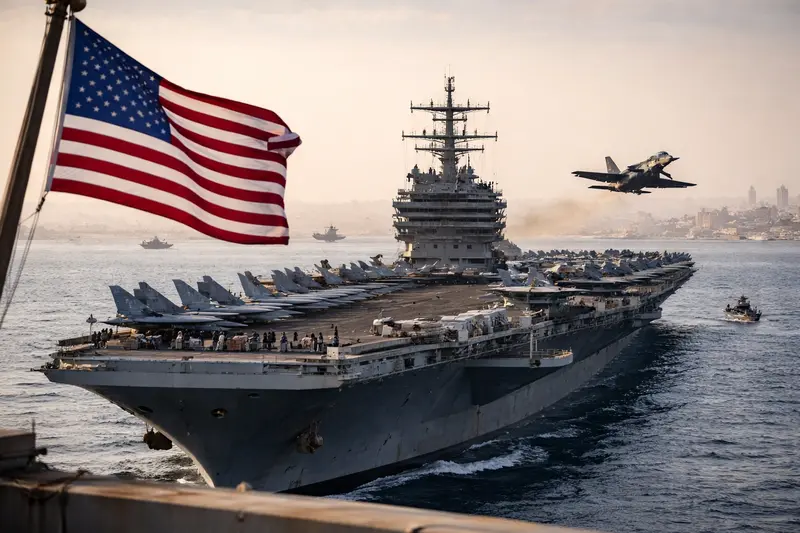
U.S. Deploys Second Aircraft Carrier to Middle East Amid Rising Tensions With Iran
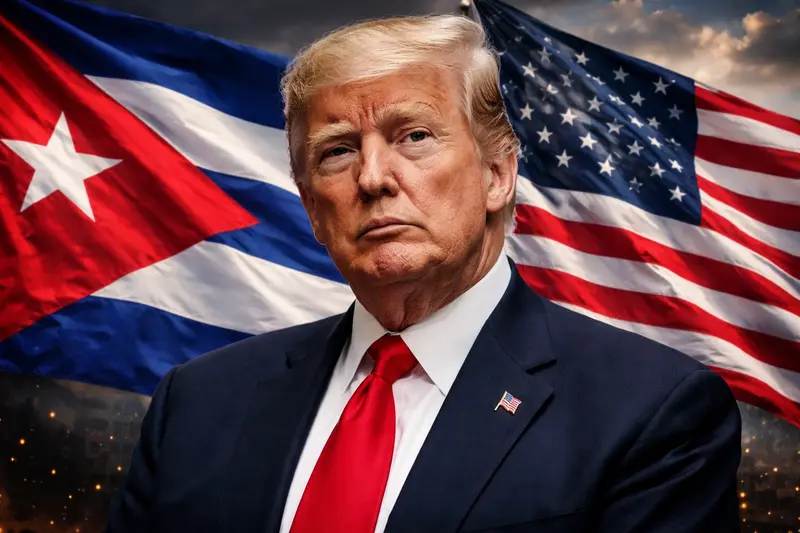
The United States is escalating its military presence in the Middle East, as former President Donald Trump ordered the deployment of a second aircraft carrier strike group to the region. The move signals heightened pressure on Iran during a period of increasing regional instability.
According to U.S. defense officials, the additional carrier group will join existing forces already positioned in the area. The deployment is intended to reinforce American deterrence capabilities and send a clear strategic message to Tehran.
⚓ Strategic Military Reinforcement
The Pentagon confirmed that the decision was made to strengthen regional security and protect U.S. personnel and allies. Aircraft carriers are among the most powerful military assets in the world, capable of launching air operations, surveillance missions, and rapid response actions.
By positioning two carrier strike groups in the region, the United States significantly increases its operational flexibility. Defense analysts say this kind of deployment is often used as both a deterrent and a signal of readiness.
🔥 Rising Pressure on Iran
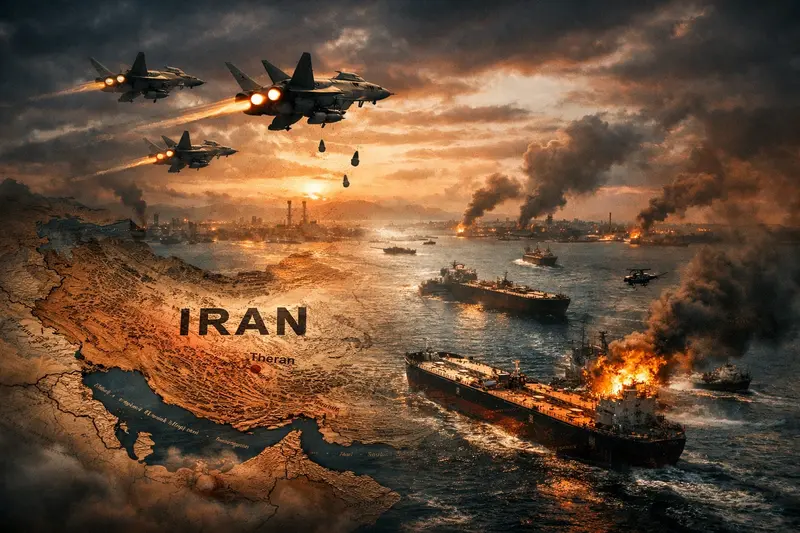
Tensions between Washington and Tehran have intensified in recent months. U.S. officials have accused Iran of supporting proxy forces across the region and destabilizing neighboring countries.
While American leaders insist the deployment is defensive in nature, Iran has previously warned against what it calls “provocative military buildups” near its borders.
The move comes amid broader geopolitical shifts in the Middle East, including ongoing conflicts, shifting alliances, and concerns over Iran’s military capabilities.
🌍 Regional and Global Implications
Security experts suggest that deploying a second aircraft carrier increases pressure on Iran without immediate direct confrontation. It also reassures U.S. allies in the region that Washington remains committed to their defense.
However, some critics argue that escalating military presence could further inflame tensions instead of calming them.
As diplomatic efforts continue behind the scenes, the situation remains fluid, with global markets and regional governments closely monitoring developments.
What's your reaction?
0

AWESOME!
0

LOVED
0

NICE
0

LOL
0

FUNNY
0

EW!
0

OMG!
0

FAIL!
Recent News


Comments
Leave a Reply