


Technology
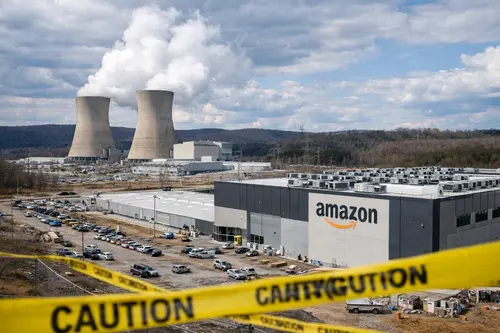
As Power Bills Climb, Lawmakers Push Tech Giants to Pay for AI Data Centers
As electricity prices continue to rise across the United States, a rare bipartisan consensus is emerging: tech companies should bear the cost of powering artificial intelligence data centers — not everyday Americans.
From President Donald Trump to state governors and local lawmakers, officials agree that the rapid expansion of AI infrastructure must not translate into higher household energy bills. However, while the political message sounds unified, the path forward remains complicated.
💡 The AI Energy Boom Sparks Political Pressure
Artificial intelligence has triggered an unprecedented surge in electricity demand. Massive data centers — some as large as stadiums — are being built nationwide to support AI tools, cloud computing and generative platforms.
These facilities consume enormous amounts of energy. In some cases, a single data center can require as much electricity as a small city. Utilities are now racing to construct new power plants and expand transmission networks to keep up.
But who pays for those upgrades?
That question has become central to economic debates ahead of upcoming elections, as voters face rising living costs.
🏛️ Trump and Lawmakers: “Tech Must Pay Its Own Way”
President Trump, who continues to promote AI development as a national security and economic priority, recently stated that data centers must “pay their own way.”
Energy Secretary Chris Wright, however, disputes claims that AI facilities are directly responsible for higher electricity prices. Meanwhile, consumer advocates and independent analysts argue that increased infrastructure costs inevitably ripple across ratepayers.
The disagreement reflects a broader debate over what “fair share” actually means.
⚙️ States Begin Imposing Conditions
Several states have started taking action. Some now require:
-
Long-term power purchase agreements
-
Upfront infrastructure payments
-
Large financial guarantees in case projects shut down
-
Direct funding for transmission upgrades
Oregon recently passed legislation designed to shield residential consumers from absorbing data center-related costs.
Still, experts warn that short-term electricity demand may outpace new power plant construction — creating supply pressure that could raise prices regardless of regulatory efforts.
As energy researcher Abe Silverman explains, the challenge is whether tech companies could temporarily outbid regular consumers for available power.
📊 The Political Backlash Grows
Public frustration is increasing, particularly in regions experiencing steep utility bill increases.
In Georgia, utility regulatory elections shifted after voter dissatisfaction linked to energy costs. In Arizona, Governor Katie Hobbs is proposing new fees on data centers, including a water usage charge and ending tax exemptions — calling them “corporate handouts.”
Across Congress and multiple state legislatures, bills are being drafted to:
-
Limit tax breaks for data centers
-
Restrict utility profit margins
-
Pause new data center construction
-
Protect residential ratepayers
🔌 Blame Game Over Energy Prices
While consumer advocates blame soaring demand from AI infrastructure, some Republican lawmakers argue that renewable energy policies and fossil fuel restrictions are the real drivers of higher prices.
The debate recently surfaced during a House subcommittee hearing involving federal energy regulators, where lawmakers clashed over gas pipeline approvals, renewable subsidies and grid modernization.
Ultimately, the tension highlights a growing national dilemma: how to balance AI innovation with affordability for everyday Americans.
What's your reaction?
0

AWESOME!
0

LOVED
0

NICE
0

LOL
0

FUNNY
0

EW!
0

OMG!
0

FAIL!
Recent News




Comments
Leave a Reply