

Politics
Haiti: US-Backed Prime Minister Takes Office Amid Questions Over Legitimacy
Haiti Enters a New Political Chapter
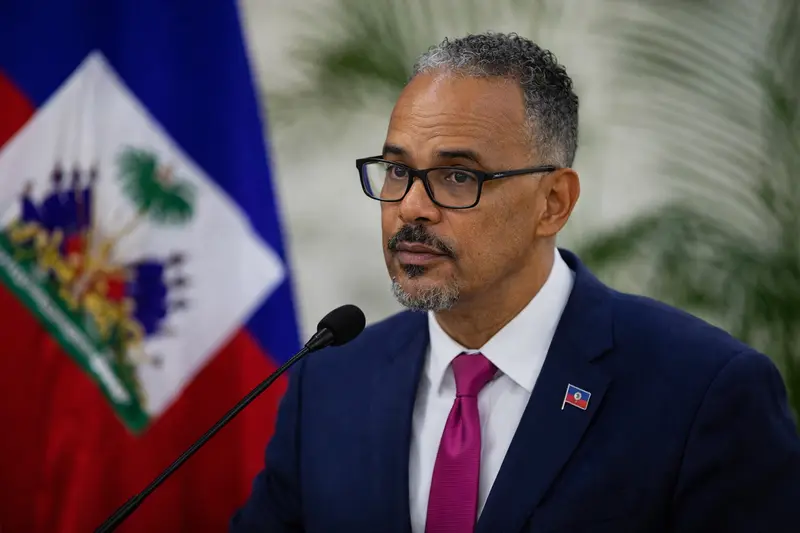
Haiti is facing another major political shift as Alix Didier Fils-Aimé assumes the role of Prime Minister during a period of deep instability. The appointment comes at a time when the country has not held national elections for years and continues to struggle with security challenges and economic hardship.
While supporters argue that the move could help stabilize the government, critics question the democratic legitimacy of the transition.
Reported U.S. Support Raises Concerns
Several political observers report that the United States played a significant role in supporting the appointment of the new Prime Minister. The presence of U.S. military vessels near Haitian waters has further fueled speculation about diplomatic pressure.
U.S. officials maintain that their involvement aims to promote stability and security. However, many civil society groups in Haiti view the situation as foreign interference in domestic political affairs.
Legitimacy and Public Trust
One of the central criticisms surrounding the new leadership is the lack of electoral mandate. The Prime Minister has not been elected to national office, and his appointment stems from transitional political arrangements rather than a popular vote.
Observers also noted that his inaugural address, largely delivered in French, did not resonate with all segments of Haiti’s predominantly Creole-speaking population, adding to concerns about public connection and representation.
A Country Without Elections Since 2016
Haiti has been operating under transitional governance since the assassination of President Jovenel Moïse in 2021. A Transitional Presidential Council established in 2024 has yet to organize national elections.
The prolonged absence of democratic elections has intensified political uncertainty and public frustration. Many analysts warn that without credible elections, Haiti’s political crisis may continue.
A Fragile Future
The nation remains divided. Some citizens hope the new leadership will bring improved security and economic recovery. Others fear continued instability and increasing dependence on foreign powers.
As Haiti moves forward, the international community and local institutions will face mounting pressure to ensure a transparent and democratic path toward stability.
What's your reaction?
0

AWESOME!
0

LOVED
0

NICE
0

LOL
0

FUNNY
0

EW!
0

OMG!
0

FAIL!
Recent News




Comments
Leave a Reply