

Politics
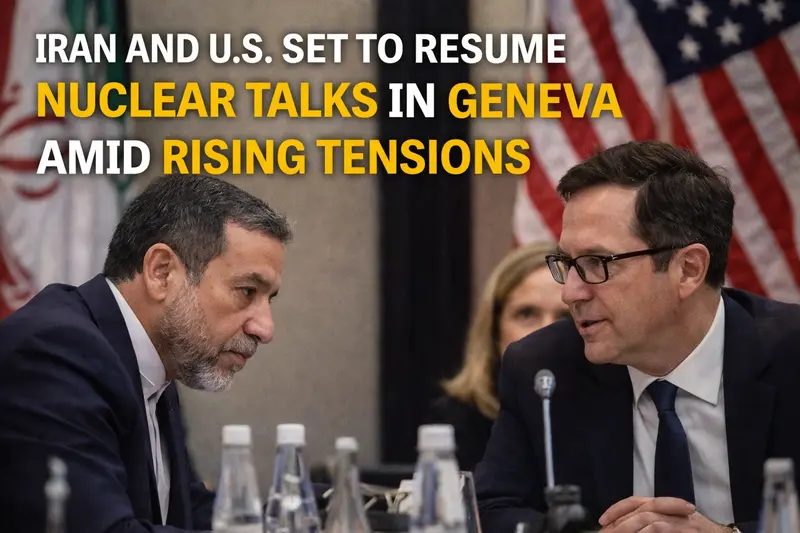
Iran and U.S. Set to Resume Nuclear Talks in Geneva Amid Rising Tensions
The United States and Iran are preparing for a second round of negotiations over Tehran’s nuclear program, with discussions scheduled to take place in Geneva next week, according to Switzerland’s Foreign Ministry.
The talks follow an initial round of indirect discussions held on February 6. Oman, which facilitated the earlier meeting, will again support diplomatic efforts as tensions between the two countries remain high.
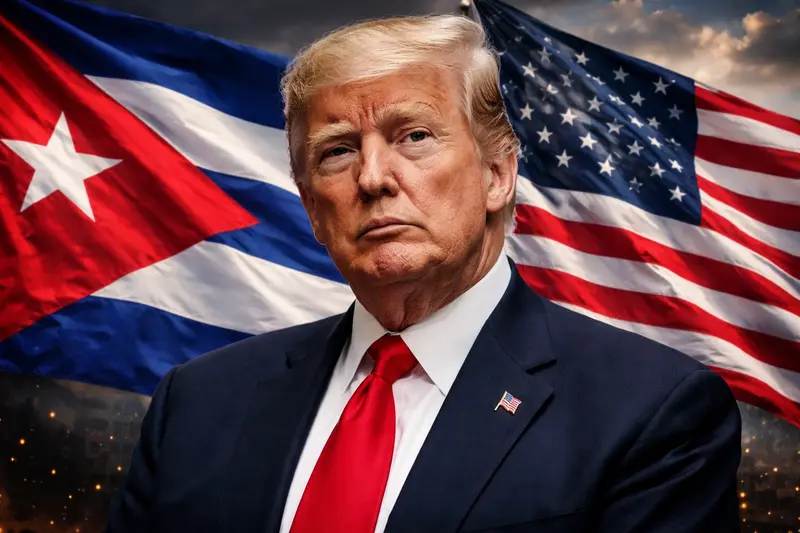
After the first session, U.S. President Donald Trump warned that failure to reach an agreement could result in “very traumatic” consequences for Iran. His remarks come as Washington continues to apply pressure on Tehran to scale back its nuclear activities.
Last year’s negotiations collapsed in June when Israel launched a 12-day military campaign against Iran, a conflict that included U.S. strikes on Iranian nuclear facilities. The breakdown significantly escalated instability across the region.
Military Pressure Builds
Trump recently announced that the USS Gerald R. Ford, the world’s largest aircraft carrier, is being deployed to the Middle East to reinforce U.S. military presence. He has repeatedly suggested that force remains an option if Iran refuses to limit its nuclear program.
Iran, however, has warned it would retaliate against any military action. Officials in Tehran maintain that their nuclear activities are for peaceful purposes, though Western governments remain skeptical.
Before last year’s conflict, Iran had enriched uranium to 60% purity — a level close to weapons-grade material. The Trump administration insists that any new agreement must prohibit uranium enrichment altogether. Iran has rejected that demand.
Verification and Regional Concerns
Iranian President Masoud Pezeshkian has stated that his government is “ready for any kind of verification.” However, the International Atomic Energy Agency (IAEA) has reported difficulty accessing and verifying Iran’s nuclear stockpiles in recent months.
Gulf Arab nations have expressed concern that further escalation could trigger another major regional conflict.
Meanwhile, Israeli Prime Minister Benjamin Netanyahu has urged that any agreement also address Iran’s ballistic missile program and its support for armed groups such as Hamas and Hezbollah.
As negotiations resume, the outcome could shape the future of Middle East security and global nuclear diplomacy.
What's your reaction?
0

AWESOME!
0

LOVED
0

NICE
0

LOL
0

FUNNY
0

EW!
0

OMG!
0

FAIL!
Recent News


Comments
Leave a Reply