

World
Iran and the U.S. Lean Into Gunboat Diplomacy as Nuclear Talks Stall
Tensions between Iran and the United States are once again intensifying, as both nations signal strength at sea while diplomatic efforts remain fragile.
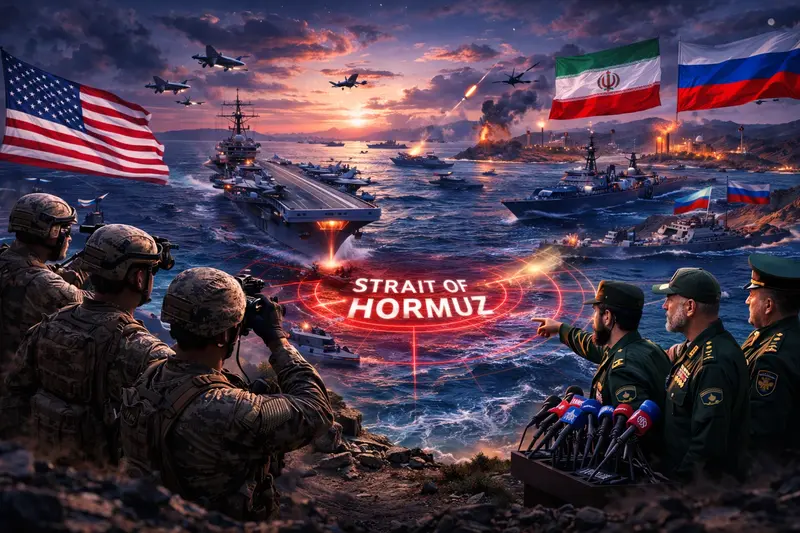
In the waters of the Gulf of Oman and the northern Indian Ocean, Iran has launched new joint naval drills with Russia. The exercises include live-fire operations and coordinated maneuvers designed to demonstrate military readiness. Iranian officials describe the drills as defensive, but the timing has raised concerns among Western observers.
Meanwhile, the United States has repositioned the USS Gerald R. Ford aircraft carrier strike group closer to the region. The deployment increases Washington’s rapid-response capability and reinforces its presence near key maritime corridors.
A Calculated Show of Force
While U.S. officials have not announced imminent military action, the strengthened posture sends a clear message. Washington continues to push for limits on Iran’s nuclear program, particularly uranium enrichment levels.
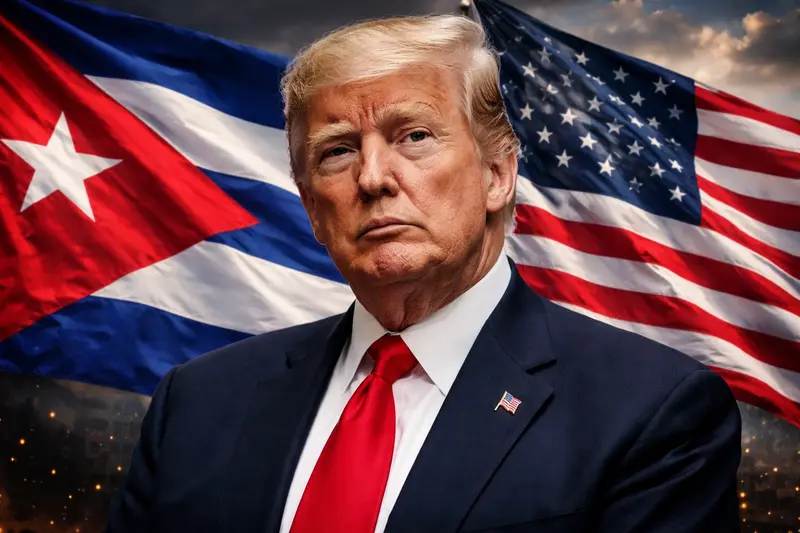
Former President Donald Trump publicly suggested that American forces remain fully prepared should negotiations collapse. Military analysts note that forward deployments are often designed as leverage during diplomatic standoffs.
Internal Pressure Inside Iran
The geopolitical tension comes at a sensitive time for Tehran. Protests linked to economic strain and political unrest continue in several regions.
Large gatherings have marked memorial events for those killed during demonstrations. Chants critical of the government have echoed through public spaces, highlighting domestic instability alongside international pressure.
Iran-Russia Naval Cooperation
The naval drills with Russia serve both symbolic and strategic purposes. The presence of Russian vessels underscores expanding military coordination between Moscow and Tehran.
Reports suggest that missile testing activity may have been included in the exercises, though details remain limited. The cooperation reflects shifting alliances in a region already marked by volatility.
What's your reaction?
0

AWESOME!
0

LOVED
0

NICE
0

LOL
0

FUNNY
0

EW!
0

OMG!
0

FAIL!
Recent News


Comments
Leave a Reply