

World
US Escalates Military Pressure as Iran and Russia Announce Naval Drills
Tensions in the Middle East are rising once again as the United States renewed threats of military action against Iran, while Tehran and Moscow unveiled plans for joint naval exercises in the Sea of Oman.
After a second round of indirect nuclear talks in Geneva, Washington signaled frustration over the lack of a breakthrough. While officials acknowledged limited progress, significant disagreements remain on key issues, particularly uranium enrichment and broader regional security concerns.
Military Build-Up Intensifies
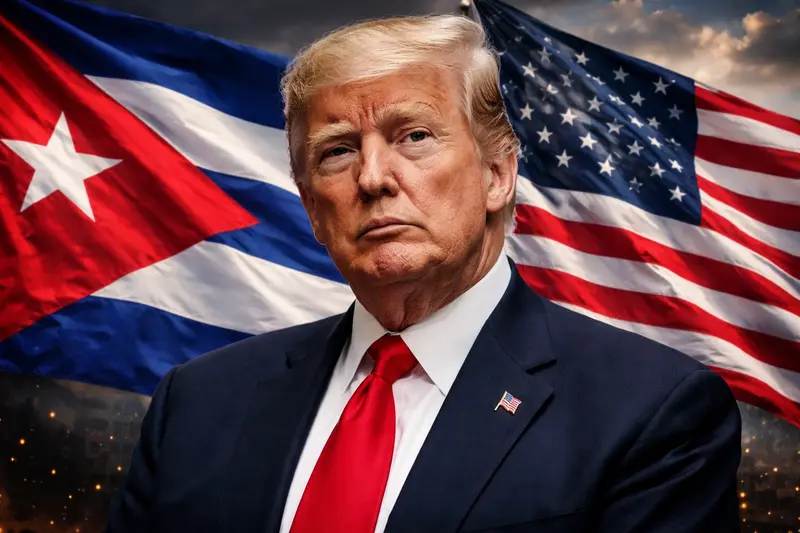
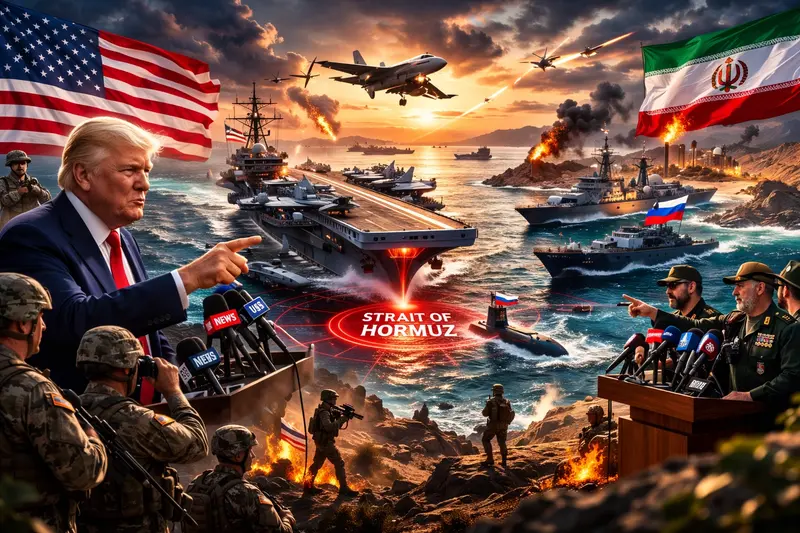
Former President Donald Trump sharply increased rhetoric, warning that Iran must reach a deal or face potential military consequences. The United States has already strengthened its military footprint in the region, deploying two aircraft carriers and thousands of troops near the Gulf.
Satellite imagery confirms that the USS Abraham Lincoln carrier strike group is operating within strategic range of Iranian territory. Additional forces are expected to be fully positioned in the coming weeks.
At the same time, Iran has conducted military drills through its Revolutionary Guard forces in the Strait of Hormuz, a crucial global oil transit route. Officials described the exercises as preparation for “potential security threats.”
Nuclear Talks Remain Fragile
Iran maintains that its nuclear program is strictly for peaceful purposes. However, Washington is demanding a halt to uranium enrichment inside Iran and pushing for broader negotiations covering missile development and regional influence.
Tehran has rejected zero enrichment and refuses to negotiate its missile program, insisting that sanctions relief must be part of any agreement.
Despite cautious optimism expressed after Geneva discussions, analysts warn that the gap between both sides remains wide.
Iran-Russia Naval Exercises Send Signal
Complicating matters further, Iran and Russia announced joint naval drills in the Sea of Oman. Officials say the exercises aim to promote regional stability and prevent unilateral action.
Moscow has also warned that any new US strike on Iran could carry serious consequences, cautioning against escalation that might destabilize improving regional relationships.
Regional and Global Implications
The exchange of warnings has intensified fears of a broader conflict. Gulf nations including Oman, Qatar and Saudi Arabia have reportedly engaged in quiet diplomacy to prevent escalation.
Experts suggest the coming weeks will be critical. With increased military deployments and fragile diplomacy underway, the situation remains highly volatile.
As one analyst noted, “Everyone understands this is playing with fire.”
What's your reaction?
0

AWESOME!
0

LOVED
0

NICE
0

LOL
0

FUNNY
0

EW!
0

OMG!
0

FAIL!
Recent News


Comments
Leave a Reply