

World
Iran Conflict Highlights the Limits of US Global Power
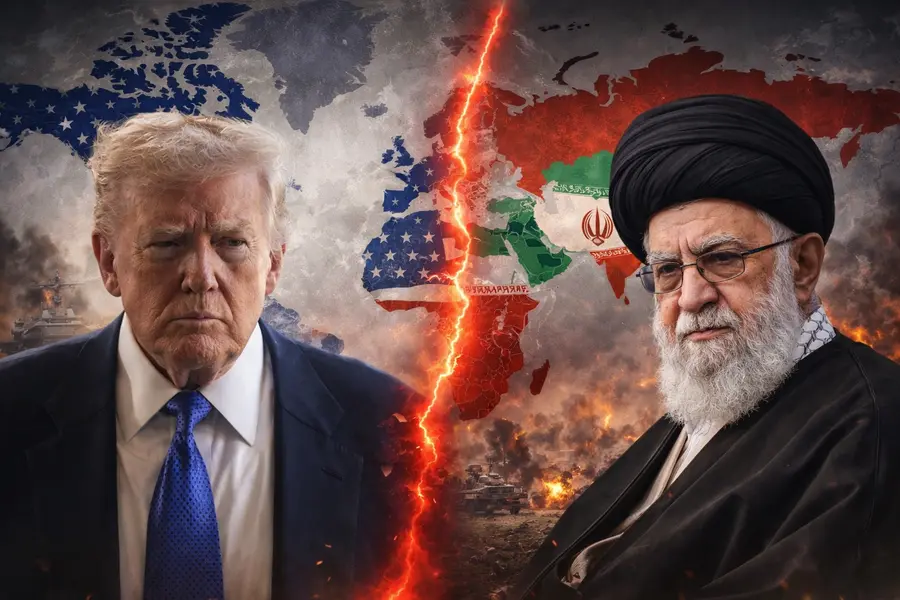
The escalating conflict involving Iran, the United States, and Israel is prompting renewed debate about the future balance of power in international politics. While it is too early to predict the final outcome of the crisis, the situation has already revealed important shifts in the global order.
Despite speculation about a decline in American influence, the United States remains one of the most powerful actors in world affairs. Major powers such as Russia, China, and India are not questioning whether the US will remain important, but rather how it will fit into an increasingly multipolar international system.
For Russia in particular, relations with the United States have historically been both cooperative and confrontational. Moscow continues to view the US as a central element of the Western political and military structure, making it impossible to ignore in long-term strategic planning.
A Turning Point in Global Power
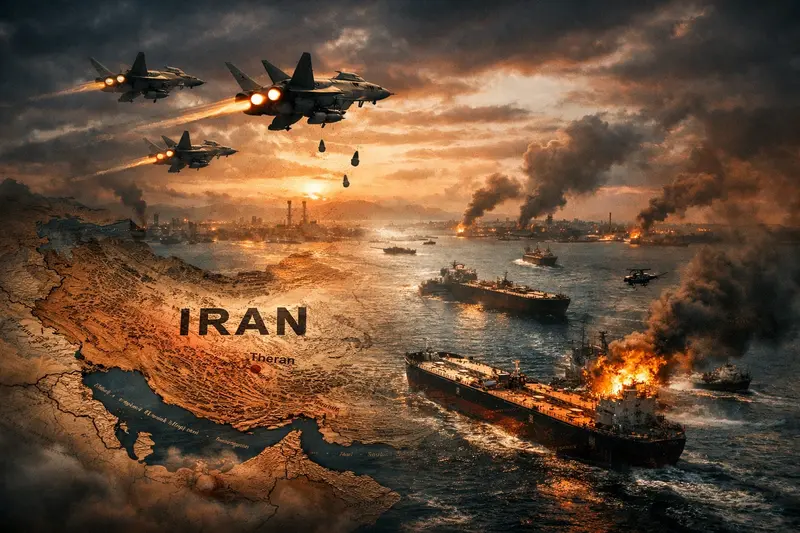
Recent military developments surrounding Iran may represent a turning point. The crisis has highlighted the challenges the United States faces when attempting to exert unilateral influence in a world where multiple powerful states are emerging.
Iran’s resilience under military pressure has surprised some observers and complicated the strategic calculations of Washington and its allies. At the same time, the conflict is generating economic uncertainty worldwide, adding further pressure on global markets.
These economic consequences may also explain reports suggesting that diplomatic channels and possible mediation efforts are being explored behind the scenes.
A Changing International System
Analysts argue that the international system is gradually evolving away from the era of overwhelming American dominance that emerged after the Second World War. At that time, many major powers were weakened by war, internal crises, or political upheaval, allowing the United States to assume a leading role in global affairs.
Today, however, the geopolitical landscape has changed dramatically. Rising powers and regional alliances are reshaping global politics, making it increasingly difficult for any single country to dominate the international system.
Toward a Multipolar World
The Iran crisis may ultimately serve as a reminder that global power is becoming more distributed. Even with significant economic resources and military capabilities, major powers face limitations when confronting resilient states without risking large-scale escalation.
Many analysts believe the world is moving toward a more complex and balanced international order in which several influential powers share responsibility for global stability.
In such a system, the United States will likely remain a key participant in world affairs. However, its role may evolve from that of a dominant leader to one of several major actors shaping the future global balance of power.
What's your reaction?
0

AWESOME!
0

LOVED
0

NICE
0

LOL
0

FUNNY
0

EW!
0

OMG!
0

FAIL!
Recent News


Comments
Leave a Reply