


World
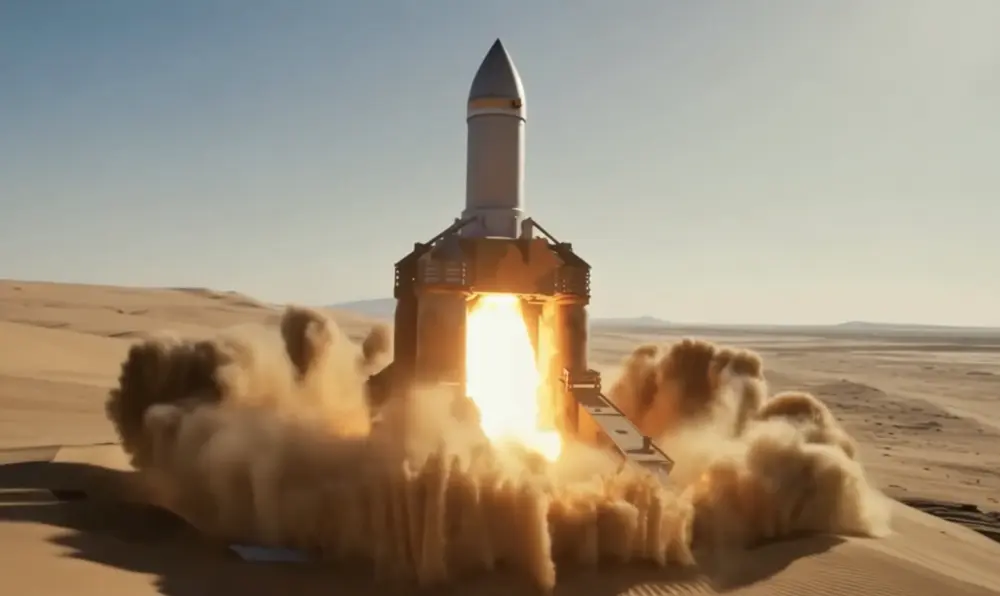
Iran’s Hidden Underground Missile Launchers: The Secret Weapon Changing the Battlefield
Amid the ongoing conflict in the Middle East, Iran is believed to possess a strategic advantage that continues to challenge both the United States and Israel—even after suffering significant losses among key military figures.
Some analysts point to what they describe as a “hidden weapon” that could reshape the dynamics of modern warfare.
🔍 Beyond Drones: A New Kind of Threat
While much attention has been focused on Iran’s use of drones, particularly the widely known Shahed-136, experts suggest that the real game-changer lies elsewhere.
The system in question is often referred to as a “hidden launcher”—a type of underground missile launch platform that has drawn increasing attention from Western observers.
Although such systems have been identified, their exact locations and full operational capabilities remain largely unknown.
⚙️ How the System Works
Traditionally, missile launchers are positioned in visible bases or mounted on mobile vehicles such as trucks, often accompanied by radar systems and support units. These setups, while effective, are vulnerable to detection and preemptive strikes.
Iranian engineers appear to have taken a different approach.
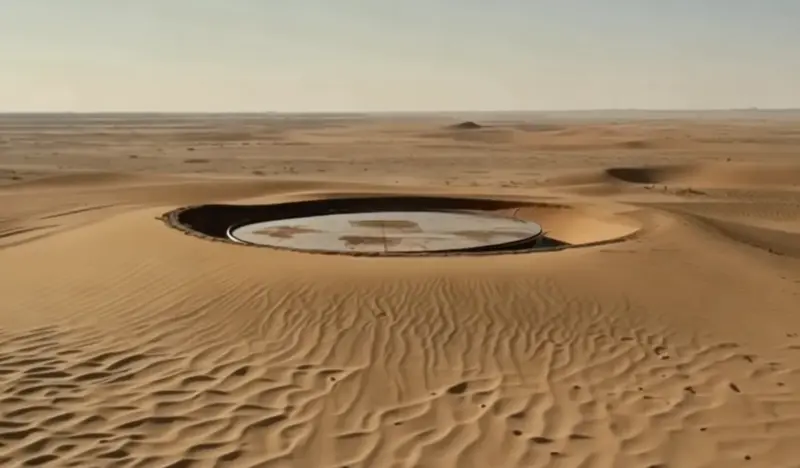
Instead of relying on exposed platforms, they have developed underground launch systems, sometimes referred to as “ground-based hidden launchers.”
These installations are discreetly embedded beneath the surface, often in vast desert regions. Covered by sand and natural terrain, they remain nearly invisible to surveillance systems.
At the moment of activation, a concealed hatch opens, a missile is launched within seconds, and the system quickly closes again—leaving little trace behind.
🎯 Strategic Advantage
This method offers several key advantages:
-
Survivability: Launch systems are harder to detect and destroy
-
Scalability: They can be deployed across wide desert areas
-
Unpredictability: Opponents cannot easily determine launch locations
As a result, Iran is able to maintain a persistent strike capability, even under heavy military pressure.
🌍 Impact on Regional Conflict
This capability significantly alters military calculations in the region. It introduces uncertainty for opposing forces, who must now consider the possibility of attacks originating from hidden and constantly shifting locations.
The strategy also plays a role in broader tensions, including control over critical areas such as the Strait of Hormuz—one of the world’s most vital energy routes.
Rather than relying solely on drones or visible missile systems, Iran’s underground launch network represents a more complex and difficult-to-counter threat.
⚠️ A Shift in Modern Warfare
If confirmed at scale, these hidden launcher systems could represent a shift in how conflicts are fought—moving from visible, targetable infrastructure to concealed, decentralized strike platforms.
For now, much about these systems remains unclear. But one thing is certain: the battlefield is evolving, and so are the technologies that define it.
What's your reaction?
0

AWESOME!
0

LOVED
0

NICE
0

LOL
0

FUNNY
0

EW!
0

OMG!
0

FAIL!
Recent News



Comments
Leave a Reply