

World
Why Washington May Need Talks with Tehran More Than It Admits
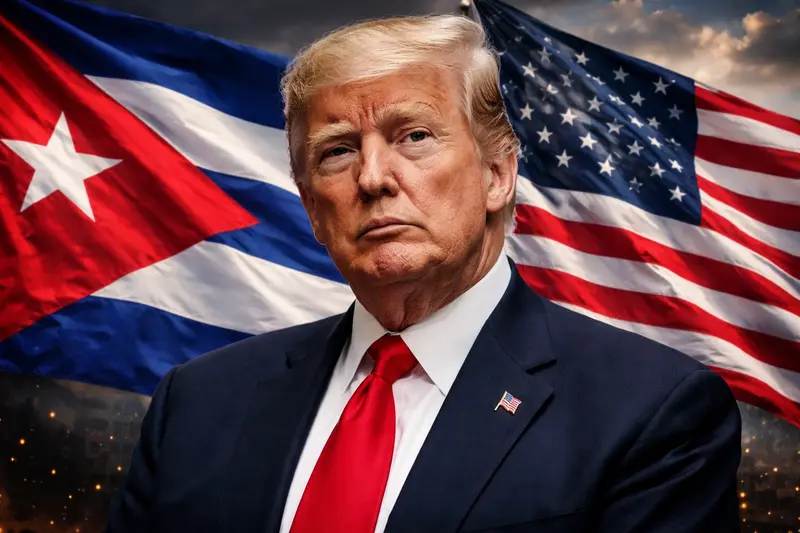
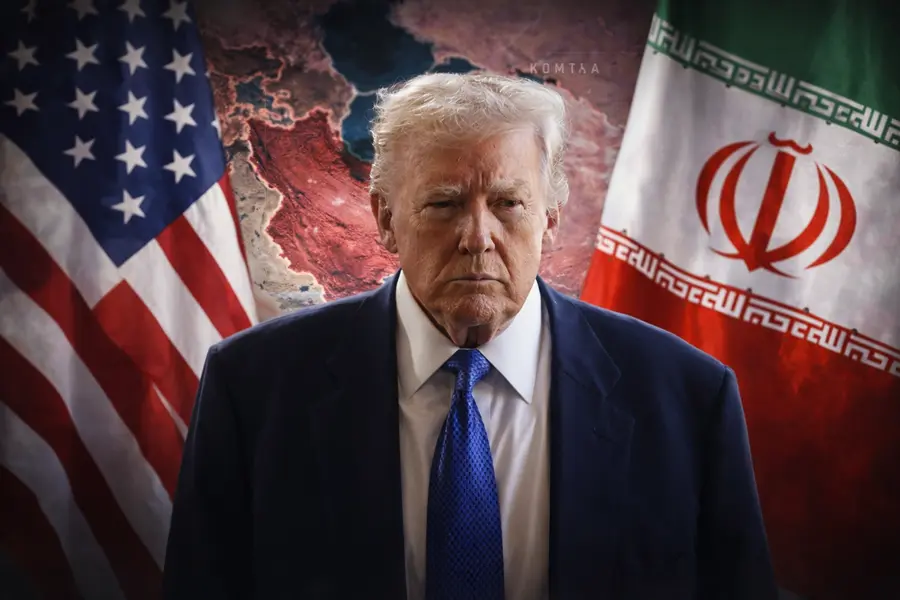
Recent developments suggest a subtle but significant shift in Washington’s approach toward Iran. Just days after issuing strong warnings and ultimatums, former U.S. President Donald Trump has signaled openness to negotiations—raising questions about the real strategy behind the rhetoric.
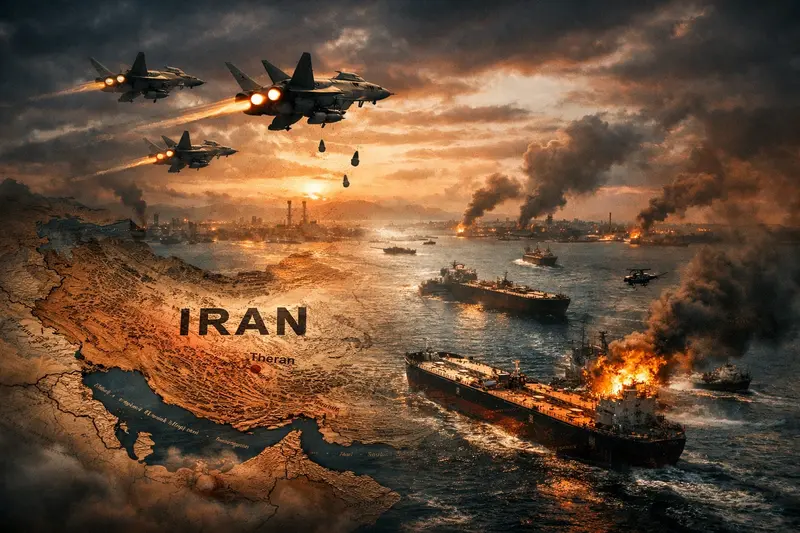
Only a week ago, Trump threatened potential strikes on Iran’s energy infrastructure if Tehran refused to reopen the Strait of Hormuz. Today, however, he speaks of possible dialogue and even hints at indirect contact with Iranian officials.
🔍 A Strategic Shift, Not a Diplomatic Breakthrough
This sudden change may not necessarily reflect genuine progress toward diplomacy. Instead, analysts believe it could be part of a broader communication strategy aimed at reshaping perceptions—both domestically and internationally.
Reports from some media outlets, including claims that Iran’s leadership may be open to talks, remain unverified. Without concrete evidence, such narratives are seen by observers as attempts to portray Iran as being under pressure and potentially willing to negotiate.
📉 Energy Markets and Global Impact
One of the key factors behind this shift may be economic rather than purely political.
Statements from U.S. leadership often influence global oil and gas markets, especially amid rising tensions around the Strait of Hormuz—a critical route through which a large portion of the world’s oil supply passes.
By signaling openness to negotiations, Washington may be attempting to calm market volatility and prevent further spikes in energy prices, which could have global economic consequences.
⚖️ Iran’s Position: Caution and Skepticism
On the Iranian side, there is deep skepticism toward renewed negotiations with the United States. Past diplomatic efforts have often been followed by renewed tensions, leading Iranian officials to question the reliability of such engagements.
Tehran appears to believe that it is not currently in a position that requires immediate concessions. Instead, it continues to rely on a strategy of resilience and regional influence, leveraging both direct and indirect means to maintain its position.
🌍 A Conflict Beyond the Battlefield
The situation highlights a broader reality: modern conflicts are no longer confined to military actions alone. Information, perception, and economic pressure have become central tools in shaping outcomes.
For Washington, engaging in talks—even symbolically—may provide strategic breathing room, reduce immediate risks, and manage political pressure at home and abroad.
⚠️ What Comes Next?
Whether these signals lead to actual negotiations remains uncertain. However, the shift in tone suggests that behind strong public rhetoric, there may be a growing recognition of the costs and complexities of prolonged conflict.
As tensions continue, the balance between military pressure and diplomatic engagement will likely define the next phase of U.S.-Iran relations.
What's your reaction?
0

AWESOME!
0

LOVED
0

NICE
0

LOL
0

FUNNY
0

EW!
0

OMG!
0

FAIL!
Recent News


Comments
Leave a Reply