

World
Kurds Say They Do Not Trust U.S. Support in Potential Conflict With Iran
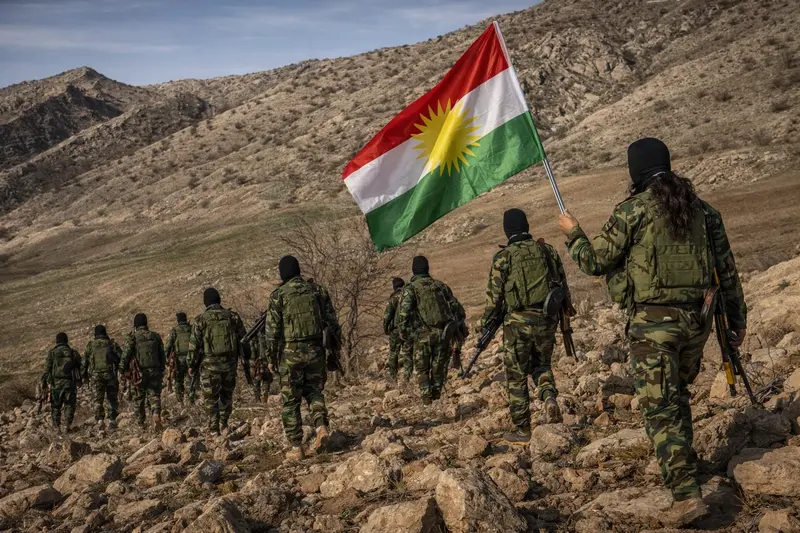
Kurdish leaders in Iraq are reportedly reluctant to join any U.S.-led military effort against Iran, expressing concerns that they could face retaliation from Tehran without reliable protection from Washington.
According to a report by Axios, officials from the Kurdistan Regional Government (KRG) say Kurdish forces intend to remain neutral as tensions rise between Iran, Israel, and the United States.
One senior Kurdish official told the outlet that Kurdish forces do not want to become the frontline in a conflict that could escalate across the region.
“The Kurds must not be the tip of the spear in this conflict,” the official reportedly said.
Concerns Over U.S. Strategy in Iran
Kurdish leaders also say there is uncertainty about Washington’s long-term objectives regarding Iran.
Some officials claim it is unclear whether the United States is seeking a full regime change in Tehran or simply trying to influence leadership within the Iranian government.
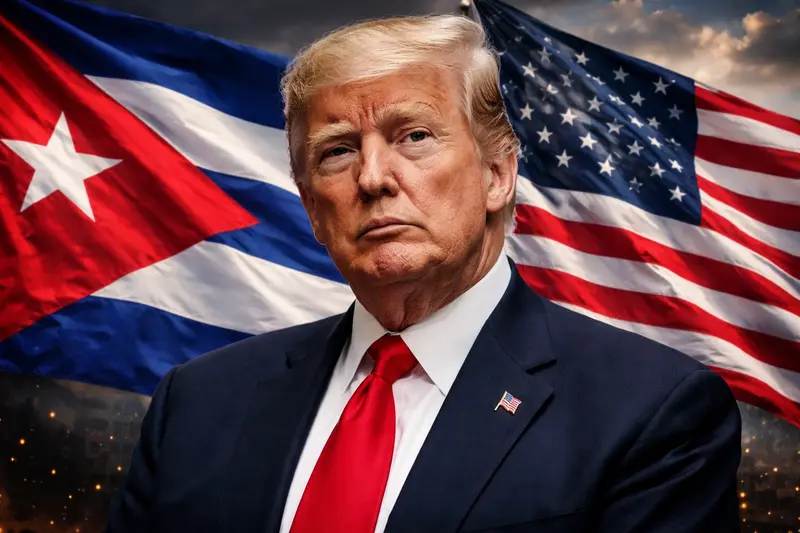
U.S. President Donald Trump has previously stated that Washington intends to play a role in determining Iran’s future leadership but has not provided detailed plans about how such a transition would occur.
According to Kurdish officials, a true regime change would likely require a full ground invasion, something they believe the United States is unlikely to undertake.
Reports of CIA Efforts to Arm Kurdish Groups
Earlier reports from CNN suggested that the CIA had begun working to arm Kurdish groups opposed to the Iranian government after the United States and Israel launched strikes against Iran.
Initially, President Trump appeared supportive of Kurdish involvement in the conflict.
However, Axios reported that he later stepped back from the idea of encouraging Kurdish forces to take part in the fighting.
Kurdish Distrust Based on Past Experiences
One of the main reasons for Kurdish hesitation is a long history of feeling abandoned by Western allies.
According to Amir Karimi, co-chair of the Kurdistan Free Life Party (PJAK), Kurdish uprisings in Iran have previously failed because they lacked sustained international backing.
“In the past, two major uprisings were not supported,” Karimi said.
Protests in Iran during 2022–2023 and earlier this year also failed to significantly weaken the leadership in Tehran, despite international attention.
Another Kurdish official told Axios that many Kurdish leaders remain skeptical about U.S. promises.
“We have trust issues from the past,” the official reportedly said.
Fear of Iranian Retaliation
Kurdish officials are also concerned that involvement in the conflict could lead to direct retaliation from Iran.
The Kurdistan Region of Iraq, located near Iran’s western border, could become a target if Kurdish forces openly participate in attacks against Tehran.
Without clear commitments for military protection or air defense systems, Kurdish leaders say joining the conflict would be extremely risky.
Kurdish Role in Past U.S. Conflicts
Kurdish fighters in Syria previously served as the main U.S.-backed force against the Islamic State (ISIS) during the Syrian civil war.
However, the political situation in Syria has changed significantly in recent years.
Following the fall of Bashar Assad and the rise of a new government led by Ahmed al-Sharaa, Kurdish forces have reportedly found themselves increasingly isolated.
Attempts by Washington to improve relations with the new Syrian government have also left Kurdish groups without the level of military support they once had.
Analysis
The Kurdish hesitation reflects a broader geopolitical reality: smaller regional actors are often cautious about becoming involved in conflicts between major powers.
For Kurdish leaders, the risk of facing Iranian retaliation without guaranteed long-term support from the United States may outweigh any strategic benefits.
As tensions between Iran, Israel, and the United States continue to escalate, Kurdish neutrality could become an important factor in determining how far the conflict spreads across the region.
What's your reaction?
0

AWESOME!
0

LOVED
0

NICE
0

LOL
0

FUNNY
0

EW!
0

OMG!
0

FAIL!
Recent News


Comments
Leave a Reply