

Immigration
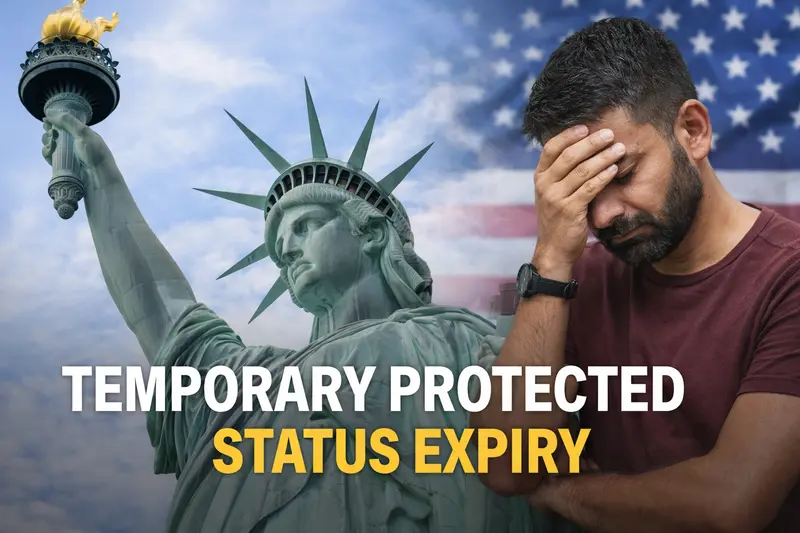
Temporary Protected Status (TPS) 2026: Countries, Expirations, and What It Means for Immigrants
What Is Temporary Protected Status (TPS)?
Temporary Protected Status (TPS) is a humanitarian immigration protection granted by the U.S. Department of Homeland Security (DHS) to nationals of certain countries experiencing serious crises. These crises may include armed conflict, environmental disasters, epidemics, or other extraordinary and temporary conditions that prevent safe return.
Individuals granted TPS are allowed to remain legally in the United States for a designated period.
Who Qualifies for TPS?
To be eligible for TPS, an individual must:
-
Be a national of a country designated for TPS
-
File during the official registration period
-
Have continuously lived in the U.S. since the required arrival date set by DHS
Each country has specific eligibility dates and conditions.
Benefits of TPS
During the approved period, TPS holders:
-
Cannot be deported based on immigration status
-
Are eligible for work authorization (Employment Authorization Document – EAD)
-
May request travel authorization
However, TPS does not automatically lead to permanent residency or citizenship.
How Many People Have TPS?
As of March 31, 2025, approximately 1.29 million individuals were protected under TPS across 17 countries
Temporary Protected Status (TPS…
.
The largest groups include:
-
Venezuela
-
Haiti
-
El Salvador
-
Ukraine
-
Honduras
Florida, Texas, and New York host the largest TPS populations in the U.S.
When Does TPS Expire?
TPS designations are temporary and must be reviewed by the DHS Secretary before expiration. Extensions can be granted for 6, 12, or 18 months.
In 2025 and 2026, multiple TPS designations faced:
-
Termination announcements
-
Court challenges
-
Temporary judicial pauses
-
Appeals to the U.S. Supreme Court
Several countries — including Venezuela, Haiti, Nepal, Honduras, Nicaragua, Syria, Afghanistan, Cameroon, South Sudan, Burma, Ethiopia, and Somalia — have faced legal disputes regarding TPS termination.
In some cases, federal judges temporarily blocked DHS from ending protections, restoring earlier extension dates.
What Happens If TPS Ends?
If TPS is terminated for a country:
-
Individuals return to their previous immigration status
-
Those without another legal status may become undocumented
-
Some may face removal proceedings
Legal challenges can delay or pause termination decisions.
Economic Impact of TPS Holders
TPS holders significantly contribute to the U.S. economy.
According to the fact sheet
Temporary Protected Status (TPS…
:
-
TPS holders from El Salvador, Honduras, and Haiti contribute billions in annual wages
-
Over 130,000 TPS holders work in essential infrastructure jobs
-
More than 94% of TPS holders are active in the labor force
Their contributions include billions in Social Security and Medicare payments over time.
Where Do TPS Holders Live?
TPS recipients live across the United States. The highest populations are found in:
-
Florida
-
Texas
-
New York
-
California
-
Georgia
This demonstrates TPS’s nationwide impact.
Final Overview
Temporary Protected Status remains one of the most important humanitarian immigration protections in the United States. While it provides safety and work authorization, it is temporary and subject to political and legal changes.
With multiple court rulings and termination attempts in 2025–2026, TPS remains a central issue in U.S. immigration policy.
What's your reaction?
0

AWESOME!
0

LOVED
0

NICE
0

LOL
0

FUNNY
0

EW!
0

OMG!
0

FAIL!
Recent News




Comments
Leave a Reply