

World
Trump Demands Iran’s “Unconditional Surrender” as Israeli Strikes Hit Tehran and Beirut
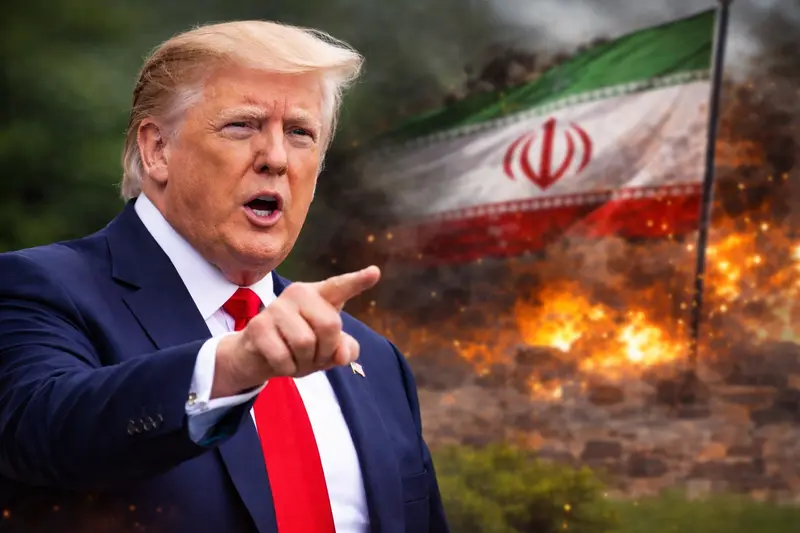
U.S. President Donald Trump said there will be no diplomatic agreement with Iran unless the country accepts “unconditional surrender,” as the conflict in the Middle East continues to escalate.
In comments reported by CNN, Trump made clear that Washington would not negotiate with Tehran unless Iran fully capitulates.
“There will be no deal with Iran until unconditional surrender,” Trump said.
The U.S. president also stated that his primary concern is not whether Iran becomes a democratic state but whether future leadership will cooperate with the United States and its regional allies.
Trump said he is seeking leadership in Iran that will “treat the United States, Israel, and our allies in the Middle East well.”
Israeli Strikes Rock Tehran
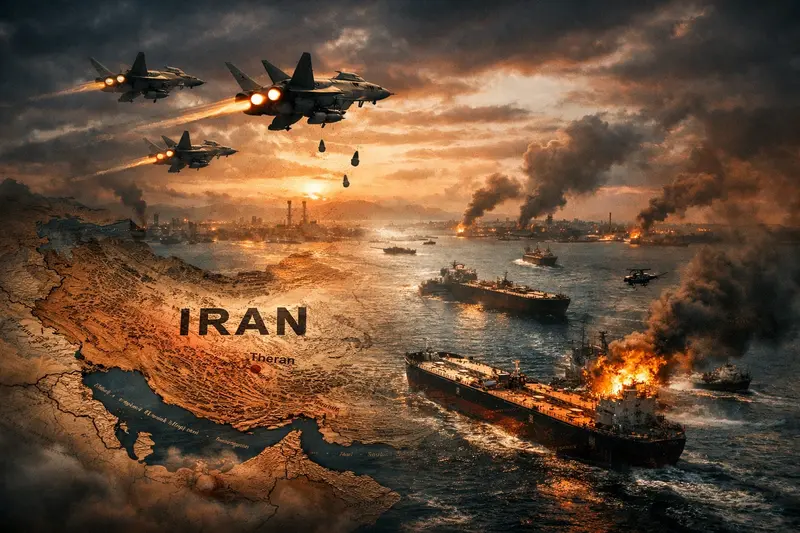
The comments came as Israel launched a large wave of airstrikes in Tehran, targeting what it described as strategic military sites linked to the Iranian regime.
Explosions lit up the night sky in the Iranian capital, with thick black smoke rising above several areas of the city.
Iranian state media reported that a busy commercial street in Tehran was hit during the strikes, while residents told CNN they experienced the “worst night of airstrikes since the war began.”
The bombardment marks one of the most intense attacks on Tehran since the conflict started.
Panic and Strikes in Beirut
At the same time, fresh strikes were reported in Beirut, Lebanon’s capital.
The attacks occurred just hours after Israel announced that it had targeted Hezbollah positions overnight in the southern suburbs of Beirut, an area considered a stronghold of the militant group.
Witnesses described panic among residents as explosions echoed across parts of the city.
Israel has repeatedly said it will strike Hezbollah infrastructure in Lebanon as part of its broader campaign against Iran and its regional allies.
Strait of Hormuz Raises Global Energy Concerns
As the conflict spreads, concerns are growing about its impact on global energy supplies.
The Strait of Hormuz, one of the world’s most important oil shipping routes, has become a major focus of international attention.
The narrow waterway connects the Persian Gulf to global markets, and any disruption could have major consequences for global oil prices.
Despite these concerns, Trump said he is not worried about rising gasoline prices in the United States.
However, signs of disruption are already emerging in global shipping.
Two of the world’s largest shipping companies have reportedly stopped accepting cargo shipments destined for the Persian Gulf due to security risks.
Analysis
The latest developments show how quickly the conflict is expanding beyond direct military confrontation.
Israel’s strikes on Tehran and Beirut highlight the regional dimension of the war, involving multiple actors including Hezbollah.
At the same time, concerns over the Strait of Hormuz demonstrate how military tensions in the Middle East can have immediate economic consequences for global markets, particularly in the energy sector.
Trump’s demand for unconditional surrender suggests the United States may pursue a maximum-pressure strategy, combining military escalation with political demands for leadership change in Iran.
If the conflict continues to escalate, it could reshape the geopolitical balance of the Middle East and global energy stability.
What's your reaction?
0

AWESOME!
0

LOVED
0

NICE
0

LOL
0

FUNNY
0

EW!
0

OMG!
0

FAIL!
Recent News


Comments
Leave a Reply