

World
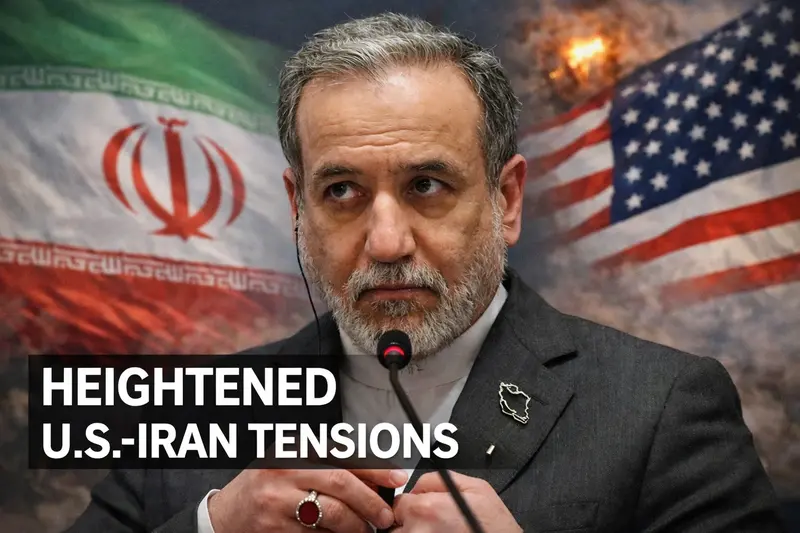
Iran Rules Out New Talks With the United States After Recent Strikes
Iran has signaled that negotiations with the United States may no longer be an option following the latest escalation of the Middle East conflict. Iranian Foreign Minister Abbas Araghchi said Tehran has a “very bitter experience” from previous discussions with Washington and doubts that dialogue will resume anytime soon.
Speaking in an interview with PBS, Araghchi explained that Iran’s leadership is still waiting for statements from the country’s newly appointed Supreme Leader, Mojtaba Khamenei, before making major diplomatic decisions.
“Well, first of all, it's too soon for him to make any comment,” Araghchi said when asked whether Iran had contacted US officials since Mojtaba Khamenei was chosen to lead the Islamic Republic. “We are all waiting for his speeches and comments, which will come later on.”
However, the Iranian foreign minister indicated that renewed negotiations with Washington appear unlikely.
“I don't think the question of talking with Americans or negotiation with Americans once again would be on the table, because we have a very bitter experience of talking with Americans,” he said.
War Escalates Across the Region
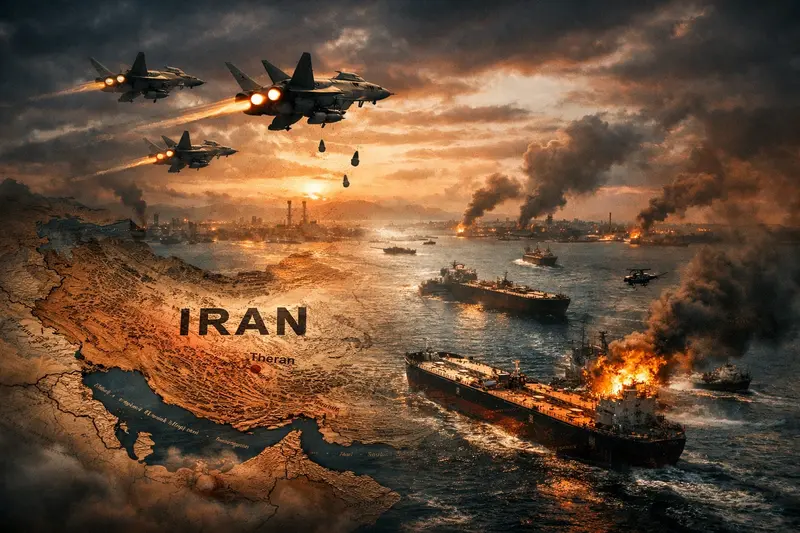
The diplomatic tension comes after the United States and Israel launched a large-scale military operation against Iran on February 28. Several major Iranian cities, including Tehran, were targeted during the strikes.
The White House justified the attacks by claiming Iran posed a growing missile and nuclear threat. In response, Iran’s Islamic Revolutionary Guard Corps (IRGC) launched retaliatory operations against Israeli targets and US military positions across the Middle East.
American bases in Bahrain, Jordan, Kuwait, Qatar, Saudi Arabia, and the United Arab Emirates were reportedly struck as part of the retaliation campaign.
Leadership Changes in Iran
The conflict also coincided with a major political shift in Tehran. Iran’s longtime Supreme Leader, Ayatollah Ali Khamenei, was killed during the joint US-Israeli strikes along with several senior Iranian officials.
Following the attacks, the Assembly of Experts appointed Mojtaba Khamenei, the son of the late leader, as the new Supreme Leader of the Islamic Republic.
His leadership now comes at a critical moment as the region faces one of the most dangerous confrontations in decades.
A Future Without Diplomacy?
Araghchi’s comments suggest that diplomatic channels between Tehran and Washington may remain frozen for the foreseeable future. With the conflict intensifying and trust between the two countries severely damaged, the possibility of renewed negotiations appears increasingly remote.
For now, both sides seem prepared for a prolonged period of confrontation rather than dialogue.
What's your reaction?
0

AWESOME!
0

LOVED
0

NICE
0

LOL
0

FUNNY
0

EW!
0

OMG!
0

FAIL!
Recent News


Comments
Leave a Reply