


World
Iran War Spreads Across Middle East and Caucasus as New Attacks Raise Regional Tensions
The ongoing war involving Iran, Israel, and the United States is increasingly spreading across the Middle East and neighboring regions, raising concerns that the conflict could evolve into a wider regional confrontation.
Recent incidents reported across several countries highlight how the fighting is beginning to affect strategic locations far beyond Iran’s borders.
Saudi Arabia Intercepts Missile Near US Base
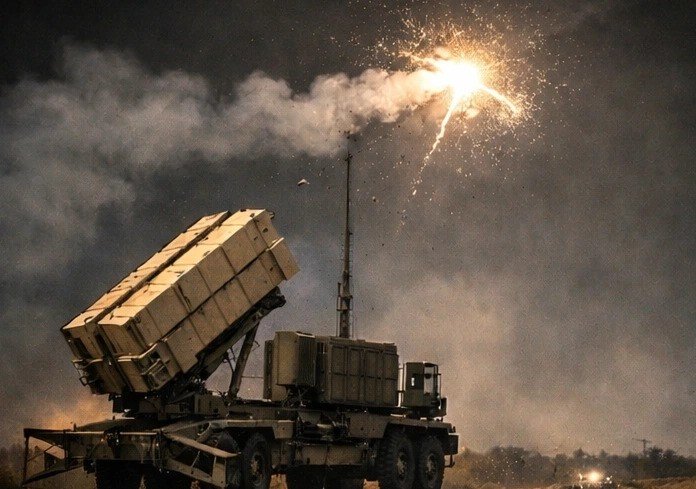
Saudi Arabia announced that its air defense systems intercepted a ballistic missile launched toward a military base hosting U.S. forces on March 7.
The interception underscores the growing risks for American military installations across the region as the conflict intensifies.
Although details about the missile’s origin and exact trajectory were limited, the incident reflects rising security threats around U.S. military infrastructure in the Persian Gulf.
Azerbaijan Reports Alleged Sabotage Plot
Meanwhile, authorities in Azerbaijan said they had uncovered a suspected sabotage plot linked to operatives associated with Iran.
According to officials, the alleged targets included:
-
a major oil pipeline
-
several Jewish community sites
If confirmed, the plot would represent a significant escalation in covert operations connected to the broader conflict.
Azerbaijan is a critical energy transit country that transports oil and gas from the Caspian Sea to global markets, making its infrastructure strategically important.
Air Strikes Reported in Tehran
Inside Iran, reports indicated that heavy air strikes took place overnight and early on March 7.
Among the locations reportedly hit were:
-
Mehrabad Airport in Tehran
-
the nearby Ekbatan district
Mehrabad Airport has both civilian and military functions, which could explain its strategic importance as a potential target.
Explosions and damage were reported in multiple areas as air raids continued.
Fighting Continues Along the Israel-Lebanon Border
At the same time, cross-border attacks between Israel and Iranian-backed groups in Lebanon have continued.
The exchanges of fire have raised fears that the conflict could open another front along Israel’s northern border, involving Hezbollah and other allied militias.
Attack on Oil Tanker in the Strait of Hormuz
Iran’s Islamic Revolutionary Guard Corps (IRGC) also announced that it had targeted a Maltese-flagged oil tanker in the Strait of Hormuz.
According to Iranian officials, the attack was carried out using an explosive drone.
The Strait of Hormuz is one of the world’s most critical maritime chokepoints, through which roughly one-fifth of global oil shipments pass.
Any disruption in this area could have immediate consequences for global energy markets and international shipping.
Analysis
The latest developments suggest that the conflict is gradually spreading beyond a direct confrontation between Iran and Israel.
Missile interceptions, sabotage plots, and attacks on international shipping indicate that the war is beginning to affect multiple strategic regions, including the Persian Gulf, the Levant, and the Caucasus.
If the current pattern continues, the conflict could evolve into a multi-front regional crisis, involving several countries and threatening global energy supply routes.
For international observers, the situation highlights how quickly modern conflicts can expand across borders, especially when multiple regional actors and alliances are involved.
What's your reaction?
0

AWESOME!
0

LOVED
0

NICE
0

LOL
0

FUNNY
0

EW!
0

OMG!
0

FAIL!
Recent News


Comments
Leave a Reply