

World
US Officials Say Russia Is Providing Targeting Intelligence to Iran in Middle East Conflict
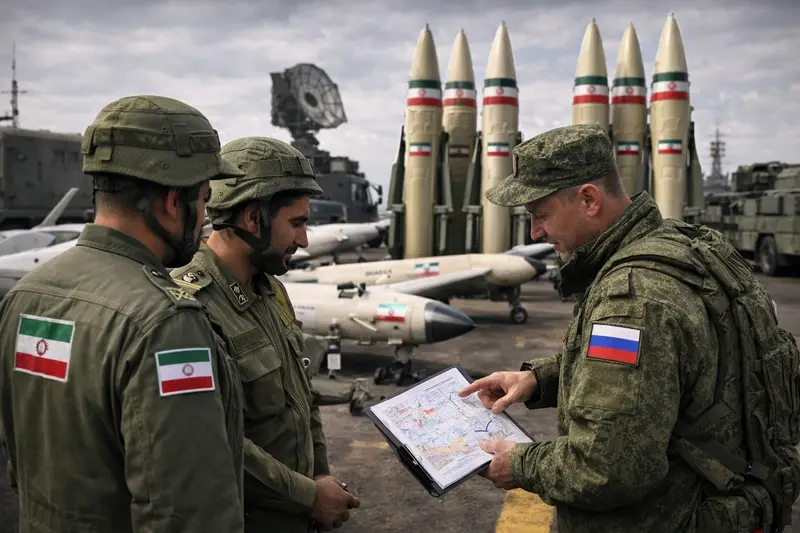
U.S. officials say Russia is providing Iran with intelligence that could help target American troops and military assets in the Middle East, according to statements made on March 6.
The revelation confirms a report by The Washington Post, which cited officials familiar with the intelligence assessments. According to the report, Moscow has been supplying Tehran with information about the locations of U.S. warships, aircraft, and other military infrastructure since the conflict escalated on February 28.
The conflict began when the United States and Israel launched airstrikes on Iranian targets, triggering a series of retaliatory attacks across the region.
One official quoted in the report described the Russian support as “a pretty comprehensive effort.”
Intelligence Sharing Raises Global Tensions
U.S. officials who spoke with RFE/RL confirmed the intelligence sharing but declined to provide detailed information about how the data was being transferred or the full scope of the cooperation.
The officials spoke on condition of anonymity due to the sensitivity of the intelligence.
If confirmed in full, the cooperation would represent a significant escalation in geopolitical tensions, suggesting that Russia is playing an indirect role in the expanding Middle East conflict.
A Delicate Moment in US-Russia Relations
The alleged intelligence sharing comes at a particularly sensitive time in U.S.-Russia relations.
The two nuclear powers are already in deep disagreement over Russia’s invasion of Ukraine, which has continued for more than four years.
Washington has been attempting to push for negotiations to end the war, but the Kremlin has so far refused to make major concessions regarding territorial control and political conditions.
Any evidence that Russia is actively assisting Iran in targeting U.S. forces could further strain relations between the two countries.
Longstanding Military Ties Between Russia and Iran
Russia and Iran have maintained close military and political ties for years.
One of the most visible examples of their cooperation has been the use of Iranian Shahed drones during the war in Ukraine.
Iran supplied Russia with large numbers of these drones, which have been used extensively to strike Ukrainian cities and energy infrastructure.
In recent years, Russia has also begun producing similar drone systems domestically using technology derived from the Iranian designs.
A Growing Axis of Military Cooperation
Analysts say that the cooperation between Moscow and Tehran reflects a broader pattern of strategic alignment between countries seeking to counter U.S. influence globally.
By sharing intelligence or military technologies, both nations can strengthen their capabilities while challenging Western military dominance.
However, such actions also risk escalating regional conflicts and widening the scope of confrontation between major global powers.
Analysis
If Russia is indeed providing targeting intelligence to Iran, it would mark a significant development in the global security landscape.
Rather than directly entering the conflict, Moscow may be attempting to support Iran indirectly while avoiding direct military confrontation with the United States.
This strategy allows Russia to increase pressure on U.S. forces in the Middle East while keeping its primary military focus on Ukraine.
For Washington, the situation highlights the growing complexity of modern conflicts, where multiple global rivalries intersect across different regions simultaneously.
What's your reaction?
0

AWESOME!
0

LOVED
0

NICE
0

LOL
0

FUNNY
0

EW!
0

OMG!
0

FAIL!
Popular News
27 Mar 2026
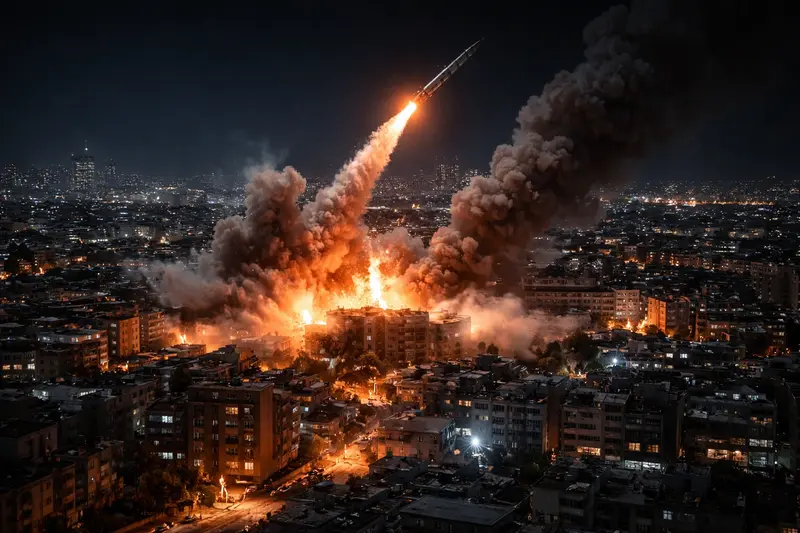
Iran’s retaliatory strikes hit Israel
Recent News
27 Mar 2026

Comments
Leave a Reply