

World
Mojtaba Khamenei Named Iran’s New Supreme Leader After Death of Ayatollah in U.S.-Israeli Strikes
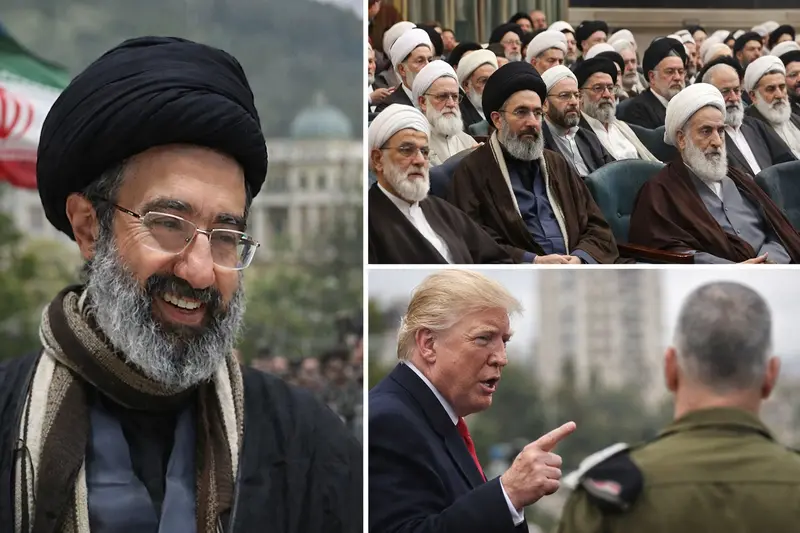
Iranian state media have reported that Mojtaba Khamenei, the son of the late ayatollah killed in recent U.S.-Israeli strikes, has been chosen as the new supreme leader of Iran.
According to reports carried by IRIB state television and the Fars, Tasnim, and ISNA news agencies, the decision was made by the Assembly of Experts, the body of Shia clerics responsible under Iranian law for selecting the country’s top leader.
If confirmed, Mojtaba Khamenei would become the third supreme leader of the Islamic Republic since the 1979 revolution.
Trump Rejects the Appointment
The reported appointment comes under intense international pressure.
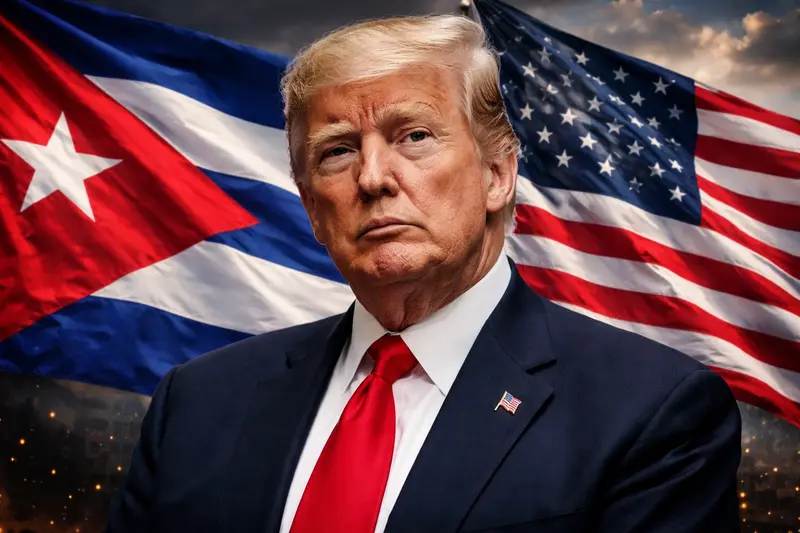
U.S. President Donald Trump said last week that Mojtaba Khamenei would be “unacceptable” as Iran’s next leader and suggested that he wanted influence over the succession process.
“They are wasting their time. Khamenei’s son is a lightweight. I have to be involved in the appointment,” Trump reportedly said. He later repeated the same position in an interview with ABC News, warning that the new leader “is not going to last long” without his approval.
Those remarks have added another layer of tension to an already explosive regional crisis.
Israel Issues Warning
Israel has also openly threatened any declared successor to the late ayatollah.
The Israel Defense Forces warned that whoever takes over Iran’s top leadership position would also be considered a potential target.
That statement highlights the extreme danger now surrounding Iran’s ruling structure after the wave of deadly strikes that reportedly killed the ayatollah and other members of his family.
Mojtaba Reportedly Survived the Strikes
Iran’s semiofficial Mehr News Agency reported last week that Mojtaba Khamenei survived the attacks and remained active after the killings.
According to Mehr, he was involved in handling matters related to the deaths in the family, managing internal affairs, and advising on major national issues.
The report said his wife was among those killed in the strikes.
A Powerful but Controversial Figure
Mojtaba Khamenei is known as a cleric and political figure with significant influence inside Iran’s power structure, especially among senior officials and the Islamic Revolutionary Guard Corps (IRGC).
However, he has never enjoyed broad popularity among the Iranian public.
A father-to-son transfer of supreme power is also deeply controversial in Iran. Many Iranians view hereditary succession as contrary to the ideals of the 1979 revolution, which overthrew the U.S.-backed monarchy of Shah Mohammad Reza Pahlavi.
That makes Mojtaba’s rise especially sensitive politically.
Questions Over Religious Legitimacy
Beyond politics, Mojtaba Khamenei also faces questions about his religious qualifications.
Unlike his father, he is widely seen as lacking the same level of clerical authority needed to lead a system that presents itself as divinely guided.
For critics of the regime, his appointment may reinforce the idea that the Islamic Republic is prioritizing survival and internal control over religious legitimacy.
Many Iranians Wanted a Different System
Some analysts say many Iranians had hoped that the end of the current leadership era might open the door to a very different form of government.
Valentine Moghadam, a professor of sociology and international affairs at Northeastern University, said many had been hoping for a transition away from clerical rule and toward a civilian political model led by a president and ministers, possibly through a referendum.
But she argued that the recent military assault by Israel and the United States may have made that outcome far less likely.
Analysis
If Mojtaba Khamenei has indeed been appointed supreme leader, the move signals that Iran’s ruling establishment is trying to preserve continuity during one of the most dangerous moments in the country’s modern history.
However, the choice could deepen both domestic dissatisfaction and international confrontation.
Inside Iran, critics may see the appointment as an attempt to create a dynastic system under the guise of religious authority. Outside Iran, both Washington and Tel Aviv appear ready to challenge the legitimacy and even the survival of the new leadership.
That means Mojtaba Khamenei may begin his leadership under extraordinary pressure, with questions over his authority, security, and ability to stabilize the country.
What's your reaction?
0

AWESOME!
0

LOVED
0

NICE
0

LOL
0

FUNNY
0

EW!
0

OMG!
0

FAIL!
Recent News


Comments
Leave a Reply