

World
U.S. and Israeli Strikes on Iran Could Reshape Power Dynamics Across Eurasia
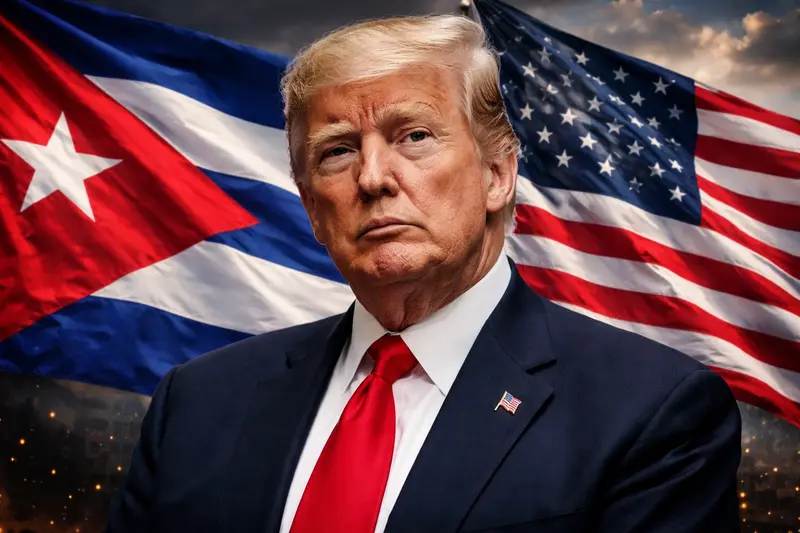
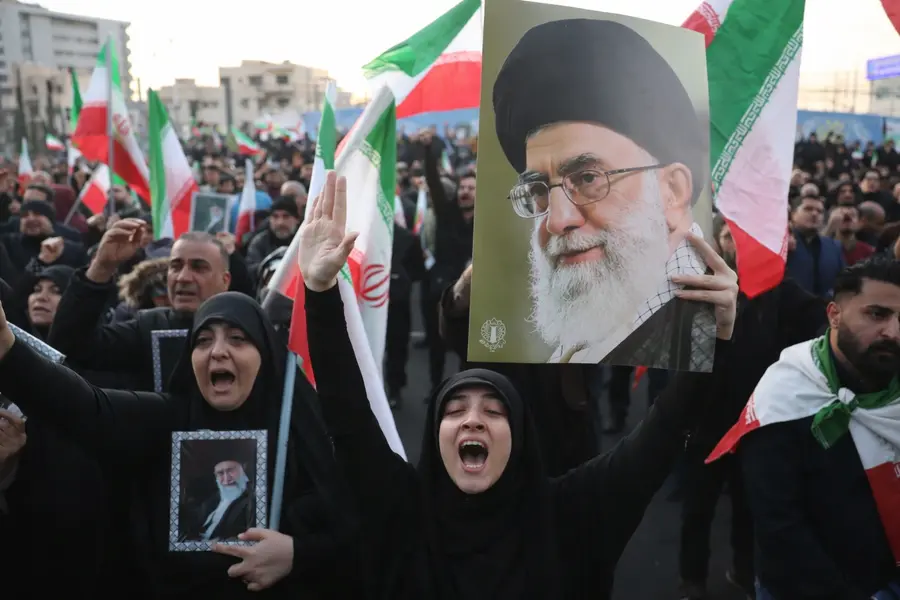
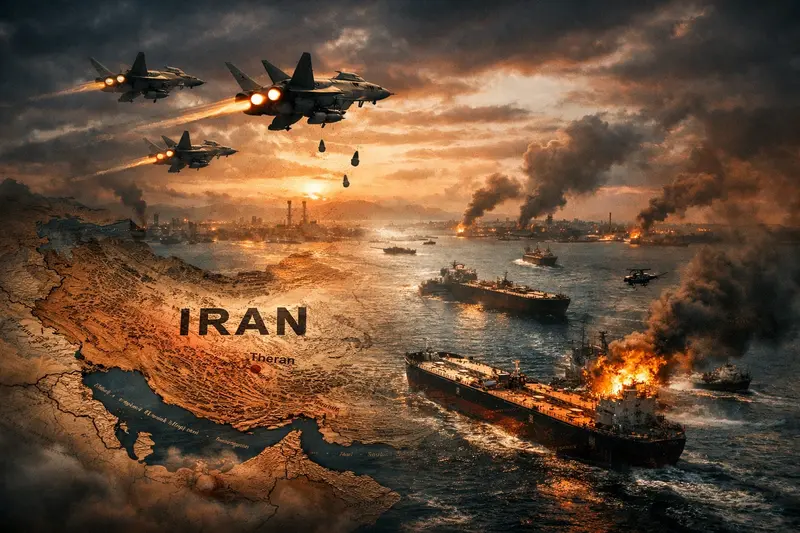
With U.S. and Israeli missiles striking Iranian territory and much of the Islamic Republic’s leadership reportedly weakened or eliminated, the consequences of this military escalation could affect the Middle East and Eurasia for many years.
Across the Caspian Sea, Russian officials are closely watching developments. While Moscow is clearly uncomfortable seeing a strategic partner under attack by Washington, the situation also carries complex implications for Russia’s geopolitical interests and its ongoing war in Ukraine.
In the past, Russia supported international pressure on Iran over its nuclear program. However, relations between Moscow and Tehran shifted significantly after Russia’s full-scale invasion of Ukraine in 2022. Facing increasing isolation from Western countries, Russia and Iran began strengthening cooperation based on their shared opposition to Western influence.
During the early stages of the Ukraine war, Iran became an important military partner for Russia. Moscow notably acquired large numbers of Shahed-series drones from Iran beginning in 2022. These drones later became one of Russia’s key weapons used in strikes against Ukrainian infrastructure and cities.
Military cooperation also moved in the opposite direction. Shortly before Washington launched its latest attack on Iran, reports indicated that Tehran had secured a major weapons agreement worth around $580 million that included shoulder-mounted defense systems.
Beyond military cooperation, Iran also helped Russia adapt to Western economic sanctions. After the invasion of Ukraine, Russian officials sought guidance from Iranian experts who had long experience operating under international sanctions. Iranian networks and strategies helped Moscow find ways to maintain oil and gas exports and bypass financial restrictions.
As a result, economic ties between the two countries expanded rapidly. Trade turnover between Russia and Iran rose from an average of about $1.9 billion before the Ukraine war to nearly $5 billion in 2022. According to Russian officials, the volume remained around that level in 2025.
Investment flows also increased significantly after Russia’s economic separation from Western markets. Both countries have also pushed to reduce reliance on the U.S. dollar in international trade, with many transactions now conducted in rubles or Iranian rials.
What's your reaction?
0

AWESOME!
0

LOVED
0

NICE
0

LOL
0

FUNNY
0

EW!
0

OMG!
0

FAIL!
Recent News


Comments
Leave a Reply