
World
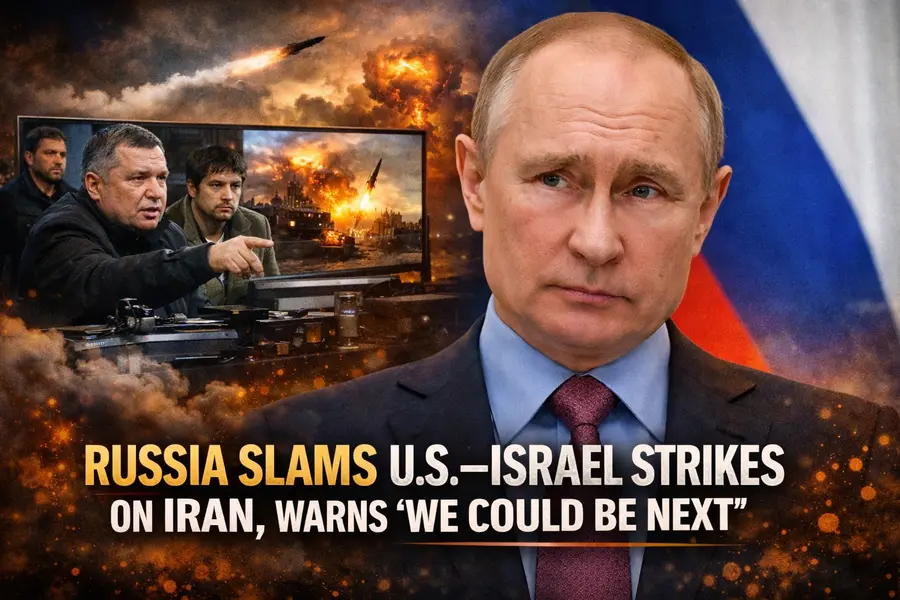
Russian State TV Condemns U.S.–Israel Strikes on Iran, Warns Moscow Could Be Next
Russian state television commentators have strongly criticized recent U.S. and Israeli military strikes on Iran, labeling them “war crimes” and accusing Washington of using diplomatic negotiations as a cover for military action. According to several prominent Russian media figures, the events highlight what they see as a pattern of American intervention abroad and serve as a warning for Russia.
The criticism comes as tensions between Moscow and Washington remain high, particularly over the ongoing war in Ukraine and broader geopolitical rivalries.
One of Russia’s most influential television personalities, Vladimir Solovyov, told viewers during his weekly primetime program that the United States had turned diplomacy into a strategic tool within its military operations. He suggested that negotiations with Iran were never meant to produce peace but were instead part of a broader plan to prepare for military action.
Solovyov warned that similar tactics could eventually be used against Russia, claiming that diplomatic talks may sometimes serve as a distraction while military plans are carried out. He added that Russia, in his view, does not rely on such methods.
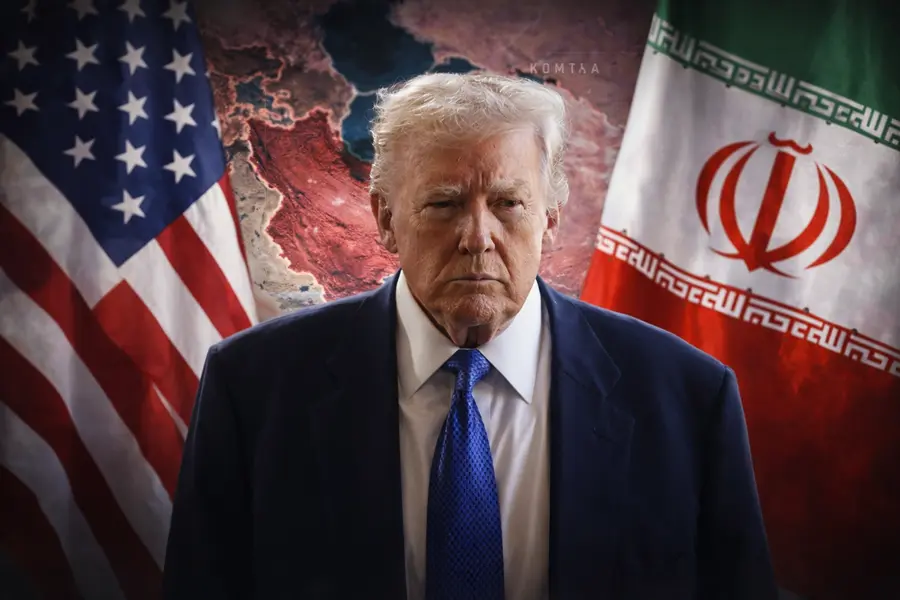
On another widely watched program on the Rossia 1 network, co-host Yevgeny Popov criticized U.S. President Donald Trump’s decision to support the strikes, describing it as a move that risks pushing the Middle East into deeper instability. Popov also mocked comments made by American officials discussing the conflict, accusing them of treating serious military actions too casually.
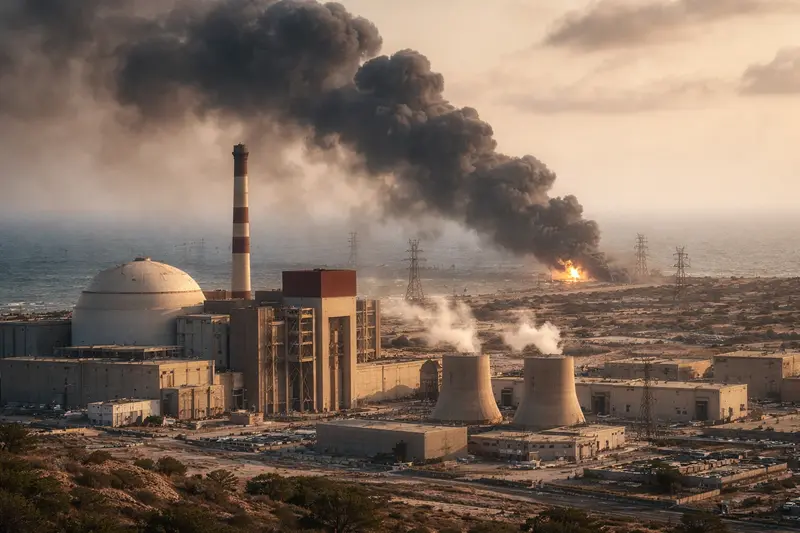
Following reports of Iranian counterattacks, Popov argued that the events demonstrated that the United States could no longer guarantee security, even for its own military infrastructure.
Media host Roman Babayan also expressed skepticism about Washington’s role in international negotiations. According to him, the strikes illustrate why powerful nations cannot always be trusted as diplomatic partners, suggesting that negotiations may sometimes conceal strategic intentions.
Another prominent television presenter, Olga Skabeyeva, criticized a video released by the White House that showed footage of the strikes accompanied by the song “Macarena.” She described the video as an example of what she called the administration’s inappropriate sense of humor during a serious conflict.
Skabeyeva also claimed that American-made ATACMS missiles were being used in attacks that caused civilian casualties, referring to reports that a strike in Tehran had hit a school building and killed dozens of people. She argued that such incidents received little attention from the international community.
The United States and Israel have maintained that their operations were aimed at military targets and were intended to neutralize threats posed by Iran’s military infrastructure.
Meanwhile, the Kremlin has taken a cautious approach to the escalating conflict. Since Donald Trump returned to the presidency in early 2025, Moscow has attempted to avoid direct confrontation with Washington while seeking progress in negotiations related to the war in Ukraine.
Kremlin spokesperson Dmitry Peskov recently stated that it remains unclear when the next round of international discussions on Ukraine will take place, noting that the situation in the Middle East has temporarily shifted Washington’s focus.
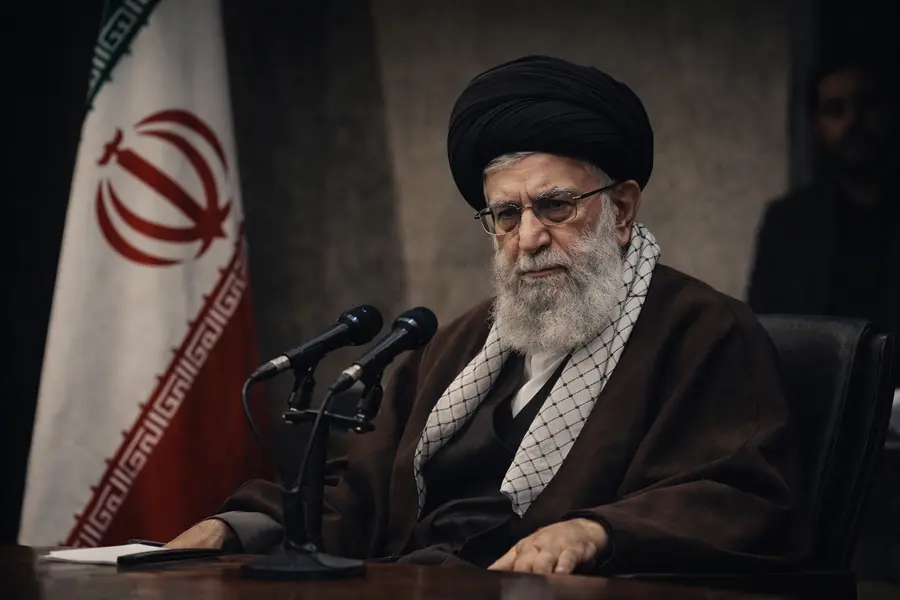
Russian President Vladimir Putin has largely refrained from detailed public comments about the strikes, although he condemned what he described as the assassination of Iran’s supreme leader. He also suggested that Russia could play a role as a mediator between Iran and regional Gulf states if tensions continue to escalate.
What's your reaction?
0

AWESOME!
0

LOVED
0

NICE
0

LOL
0

FUNNY
0

EW!
0

OMG!
0

FAIL!
Popular News
27 Mar 2026
Iran’s retaliatory strikes hit Israel
Recent News
27 Mar 2026

Comments
Leave a Reply