
World
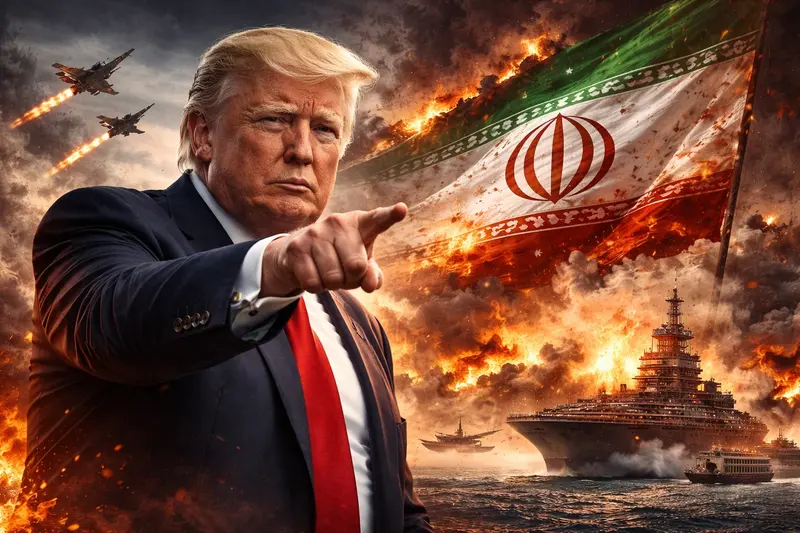
Trump Demands Iran’s “Unconditional Surrender” as Only Way to End War
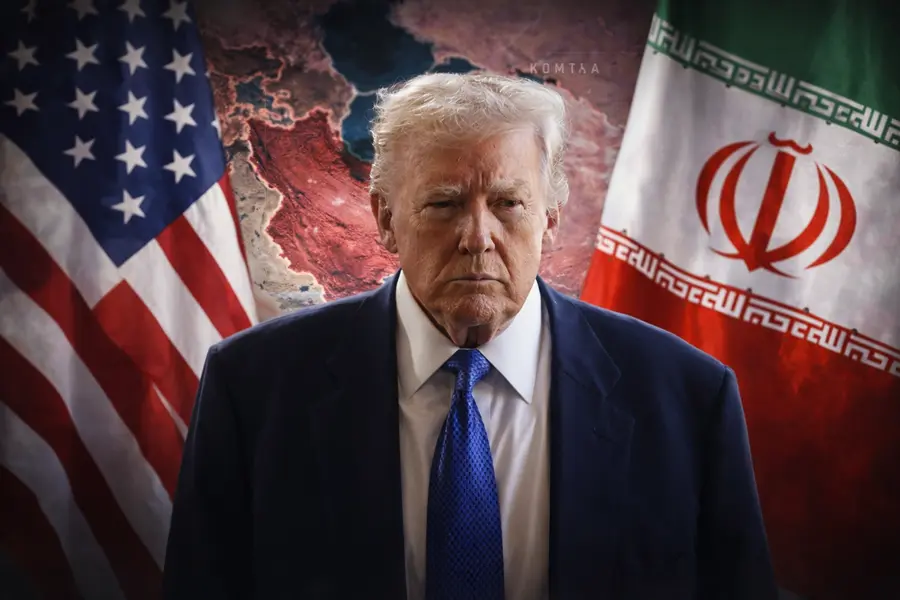
U.S. President Donald Trump said Friday that the only acceptable outcome to end the current conflict with Iran would be the country’s “unconditional surrender.”
In a message posted on his social media platform Truth Social, Trump made clear that Washington would not negotiate any agreement with Tehran unless Iran fully capitulates.
“There will be no deal with Iran except UNCONDITIONAL SURRENDER,” Trump wrote.
The statement came amid escalating tensions in the Middle East, as Israeli forces launched strikes on regime-linked targets in Tehran and Hezbollah positions in Beirut.
Military Pressure Increasing
Trump’s remarks coincided with comments from U.S. Defense Secretary Pete Hegseth, who indicated that American military operations against Iran could intensify significantly.
Hegseth said that U.S. strikes were expected to “surge dramatically”, suggesting that Washington may expand its military involvement in the conflict.
The developments have raised concerns about the possibility of a wider regional escalation involving multiple actors across the Middle East.
Promise to Rebuild Iran’s Economy
Despite the tough rhetoric, Trump also suggested that Iran could receive economic assistance if it accepts defeat and undergoes political change.
According to the U.S. president, the United States and its allies would help rebuild Iran’s economy after the conflict if Tehran complies with Washington’s demands.
Trump said such support would depend on the installation of what he described as “a GREAT & ACCEPTABLE Leader(s)” in Iran.
He added that international efforts could help restore Iran’s economy and bring the country back from what he called “the brink of destruction.”
A New Political Slogan
Trump ended his message with a new political slogan aimed at Iran, referencing his well-known campaign motto “Make America Great Again.”
“MAKE IRAN GREAT AGAIN (MIGA!),” he wrote.
The phrase quickly spread across social media, drawing both support and criticism as tensions between Washington and Tehran continue to rise.
Analysis
Trump’s demand for unconditional surrender reflects a hardline strategy that combines military pressure with political change in Iran. Such rhetoric signals that Washington may seek not only strategic concessions but also potential shifts in Iran’s leadership structure.
However, analysts note that demands for unconditional surrender are extremely rare in modern diplomacy and are often associated with total military victory scenarios.
If the conflict continues to escalate, the situation could significantly reshape regional geopolitics, energy markets, and global security dynamics.
What's your reaction?
0

AWESOME!
0

LOVED
0

NICE
0

LOL
0

FUNNY
0

EW!
0

OMG!
0

FAIL!
Popular News
27 Mar 2026
Iran’s retaliatory strikes hit Israel
Recent News
27 Mar 2026

Comments
Leave a Reply